If you’ve been looking for a soba noodle recipe that goes beyond basic takeout and shows you what these extraordinary…
If you’ve been looking for a soba noodle recipe that goes beyond basic takeout and shows you what these extraordinary Japanese noodles are truly capable of, you’ve come to exactly the right place. Soba noodles are one of Japan’s most beloved foods — nutty, earthy, slightly chewy, and remarkably versatile — and the right soba noodle recipe can transform them into everything from an elegant cold summer dish to a deeply warming winter bowl.
This guide gives you 15 of the best soba noodle recipe ideas — organized from the simplest preparations to more complex dishes — along with everything you need to know about buying, cooking, and serving soba noodles like a true Japanese home cook.
Whether you’re completely new to soba or you’ve been cooking with these noodles for years, this soba noodle recipe collection has something extraordinary waiting for you.
Before diving into the recipes, understanding what makes soba noodles special is essential for getting the most out of every soba noodle recipe you make.
Soba noodles are thin Japanese noodles made from buckwheat flour — sometimes combined with wheat flour for texture and workability. The word “soba” itself means buckwheat in Japanese, reflecting the grain’s central importance to this noodle’s identity.
The buckwheat difference. Buckwheat is not actually a wheat at all — it’s a seed related to rhubarb and sorrel. It has a distinctive nutty, earthy, slightly bitter flavor that sets soba noodles apart from every other noodle in Japanese cuisine. This unique flavor is what makes every great soba noodle recipe so distinctive and memorable.
100% buckwheat vs. blended soba. Pure 100% buckwheat soba (called juwari soba) has the most intense buckwheat flavor but is more delicate and prone to breaking. Most commercial soba noodles are a blend of buckwheat and wheat flour — typically 80% buckwheat and 20% wheat — which produces a sturdier noodle that’s easier to cook and still has excellent flavor for any soba noodle recipe.
Nutritional profile. Soba noodles are genuinely nutritious — higher in protein than most noodles, rich in manganese, copper, and magnesium, and naturally gluten-free when made from 100% buckwheat. They have a lower glycemic index than wheat noodles, making them a popular choice for health-conscious cooks.
The quality of your soba noodles makes a significant difference in every soba noodle recipe you make:
Read the ingredient list. The first ingredient should be buckwheat flour. If wheat flour is listed first, the noodles have a lower buckwheat content and less distinctive flavor.
Look for a high buckwheat percentage. Premium soba noodles will indicate the buckwheat percentage on the package — look for 70% or higher for the best flavor in your soba noodle recipe.
Japanese brands over generic. Japanese brands like Hachi, Sun Noodle, or noodles from Japanese grocery stores consistently produce better quality soba than generic Asian grocery store brands.
Dried vs. fresh. Dried soba noodles are excellent and widely available. Fresh soba noodles — available at Japanese grocery stores — have a more delicate texture and authentic flavor, but require more careful cooking.
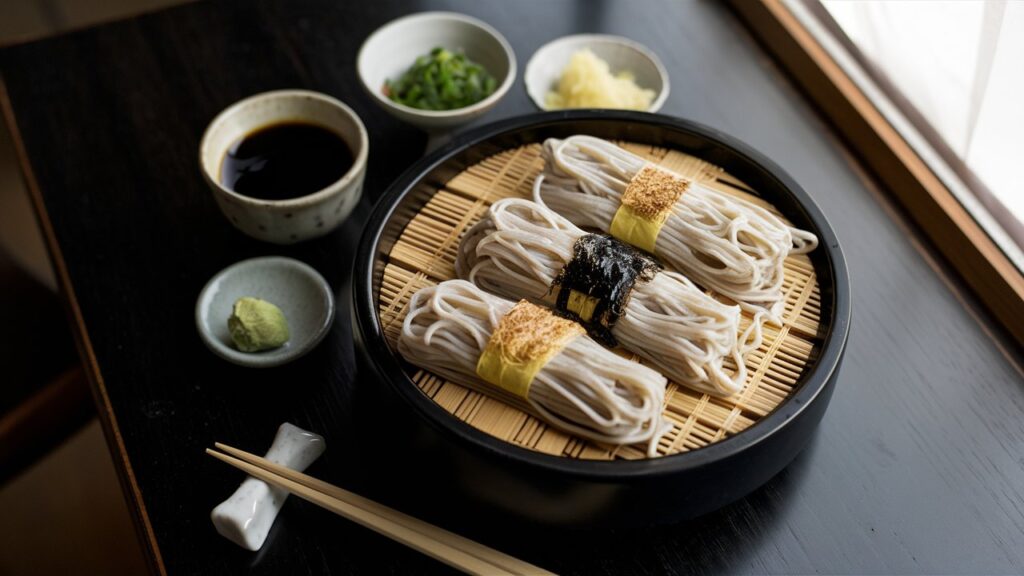
Cooking soba noodles correctly is the foundation of every great soba noodle recipe:
Use a large pot with plenty of water. Soba noodles need room to move as they cook. A cramped pot leads to clumping and uneven cooking.
Don’t salt the water. Unlike pasta, soba noodles are traditionally cooked in unsalted water. The seasoning comes from the dipping sauce or broth in the finished soba noodle recipe.
Watch the cooking time carefully. Most dried soba noodles cook in 4–6 minutes. Fresh soba cooks in 1–2 minutes. Overcooked soba becomes mushy and loses its characteristic chew — always taste a noodle 1 minute before the package time.
The cold water rinse is non-negotiable. After draining, immediately rinse soba noodles under cold running water while rubbing them between your hands. This removes excess starch, stops the cooking, and gives the noodles their characteristic firm, slightly springy texture. Skipping this step in any soba noodle recipe results in clumpy, starchy noodles.
For hot soba dishes: After the cold rinse, briefly dip the noodles back in hot water for 30 seconds to rewarm before adding to broth.
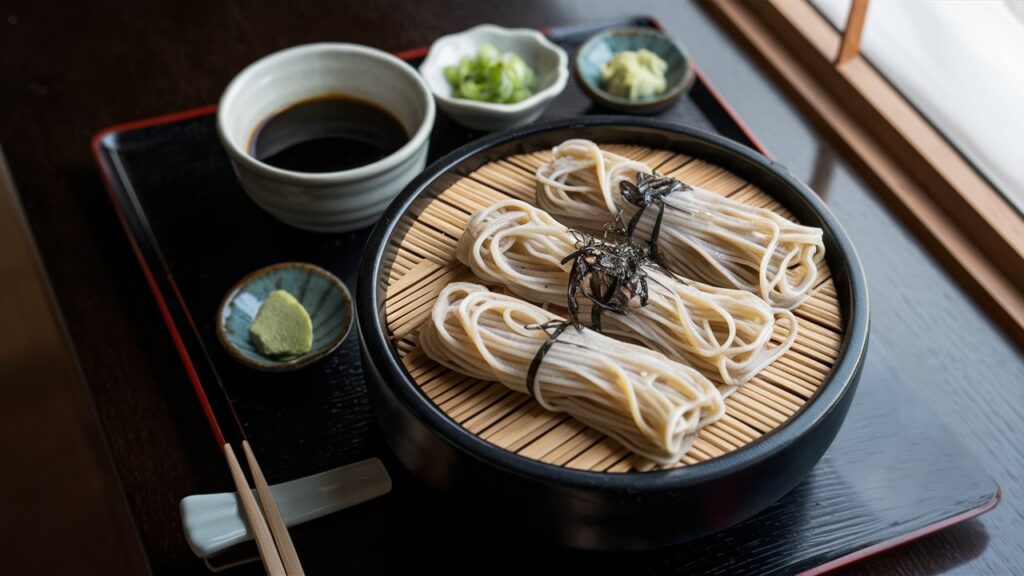
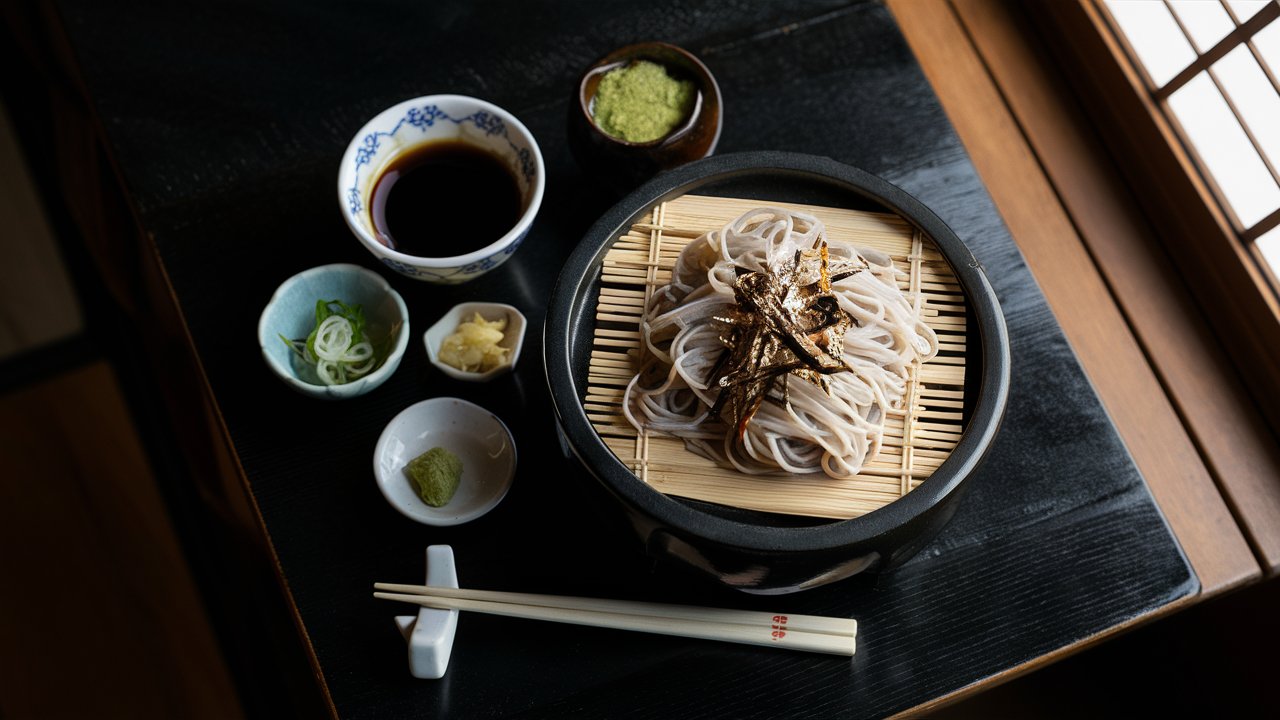
The most classic and revered soba noodle recipe in Japanese cuisine. Cold cooked soba served on a bamboo tray, dipped into a cold tsuyu broth made from dashi, soy sauce, and mirin. Simple, elegant, and the best way to appreciate the pure buckwheat flavor of quality soba noodles. This is the soba noodle recipe that Japanese soba restaurants are judged by.
The warm counterpart to zaru soba. Soba noodles served in a hot tsuyu broth — dashi-based, lightly seasoned with soy sauce and mirin — topped with sliced green onions and optional toppings like tempura, fish cake, or a soft-boiled egg. This soba noodle recipe is the ultimate Japanese comfort food.
Cold soba noodles tossed with a rich sesame dressing — tahini or sesame paste, soy sauce, rice vinegar, ginger, and a touch of honey — topped with julienned cucumber, shredded carrots, edamame, and toasted sesame seeds. This soba noodle recipe is perfect for meal prep and keeps well in the refrigerator for 3 days.
Warm soba noodles in a delicate dashi broth topped with crispy, freshly fried tempura — typically prawn tempura and seasonal vegetable tempura. The contrast between the light, crispy tempura and the soft, earthy soba noodles is what makes this soba noodle recipe one of Japan’s most iconic dishes.
Cold soba noodles tossed in a creamy, slightly spicy peanut sauce with ginger, garlic, lime juice, and soy sauce, topped with shredded chicken, cucumber, and fresh cilantro. This soba noodle recipe is a fusion take that has become beloved far beyond Japan’s borders.
Soba noodles stir-fried in a hot wok with vegetables, tofu or chicken, and a savory umami-rich sauce made from soy sauce, mirin, and oyster sauce. This soba noodle recipe comes together in under 15 minutes and is one of the most satisfying weeknight dinners you can make.
Soba noodles served in a rich white miso broth with tofu, wakame seaweed, and sliced green onions. The nutty buckwheat of the soba and the umami depth of the miso complement each other perfectly in this warming soba noodle recipe.
Cold soba noodles as the base of a vibrant grain bowl — topped with roasted sweet potato, steamed broccoli, pickled red cabbage, sliced avocado, edamame, and a drizzle of tahini-miso dressing. This soba noodle recipe is as nutritious as it is beautiful.
A warming one-pot soba noodle recipe with soba noodles cooked directly in a mushroom dashi broth with silken tofu, shiitake mushrooms, enoki mushrooms, and baby spinach. Deeply umami-rich, completely plant-based, and ready in under 20 minutes.
A minimalist but deeply satisfying soba noodle recipe — warm soba in a clean, delicate dashi broth topped with a perfectly soft-boiled egg marinated in soy sauce and mirin, sliced green onions, and a sheet of toasted nori. Simple cooking at its finest.
Cold soba noodles tossed in a Korean-inspired sauce of gochujang, sesame oil, rice vinegar, soy sauce, and garlic, topped with cucumber, kimchi, and toasted sesame seeds. This soba noodle recipe brings together Japanese and Korean flavors in a combination that’s absolutely electric.
A deeply nourishing soba noodle recipe — soba noodles in a clean chicken broth seasoned with fresh ginger, soy sauce, and mirin, topped with poached chicken, bok choy, and sliced green onions. This is the Japanese equivalent of chicken noodle soup — warming, healing, and completely satisfying.
Cold soba noodles wrapped in rice paper with julienned vegetables, fresh herbs, and tofu for fresh spring rolls served with a soy-ginger dipping sauce. This soba noodle recipe is an elegant appetizer that showcases soba in a completely unexpected way.
Cold soba noodles served with a concentrated mentsuyu dipping sauce and topped with freshly grated daikon radish, grated ginger, and sliced green onions. The daikon adds a clean, slightly peppery freshness that makes this one of the most refreshing soba noodle recipe preparations possible.
Cold soba noodles packed in a bento-style bowl with pickled vegetables, tamagoyaki (rolled Japanese omelette), edamame, and a small container of tsuyu dipping sauce on the side. This soba noodle recipe is the perfect make-ahead lunch that looks as beautiful as it tastes.
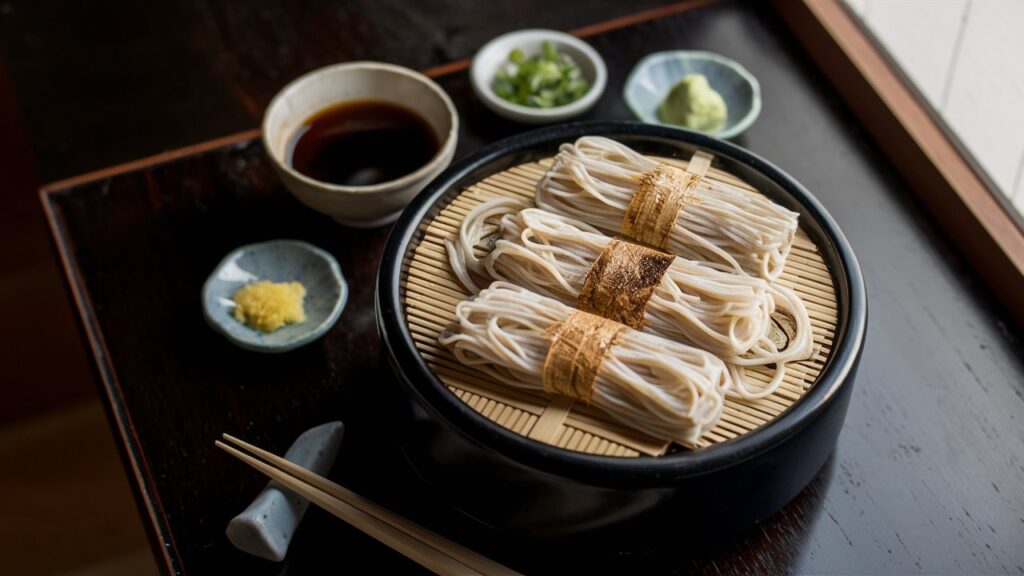
Understanding tsuyu — the dipping sauce used in most cold soba noodle recipe preparations — is fundamental to Japanese soba cooking:
What is tsuyu? Tsuyu is a concentrated Japanese sauce made from dashi (fish stock), soy sauce, mirin, and sake. It’s the flavor backbone of virtually every traditional soba noodle recipe.
Kaeshi — the soy sauce base. The soy sauce component of tsuyu is called kaeshi — soy sauce cooked with mirin and sugar until slightly reduced and caramelized. Made in advance and stored in the refrigerator, kaeshi is the building block of excellent homemade tsuyu for any soba noodle recipe.
Dashi — the stock. Traditional dashi is made from kombu (dried kelp) and katsuobushi (bonito flakes). For a vegan soba noodle recipe, kombu dashi alone produces an excellent umami-rich broth.
Mentsuyu concentrate. High-quality bottled mentsuyu concentrate is an excellent shortcut for any soba noodle recipe — dilute with cold water for dipping sauce or hot dashi for broth according to the package instructions.
A soba noodle recipe is one of the healthiest noodle preparations you can make:
High in protein. Buckwheat contains all eight essential amino acids, making soba one of the most protein-complete plant foods available. A single serving of soba noodles in this soba noodle recipe provides 6–8 grams of protein.
Rich in rutin. Buckwheat is one of the best food sources of rutin — a flavonoid antioxidant that supports cardiovascular health and blood vessel integrity.
Lower glycemic impact. The complex carbohydrates and high fiber content of buckwheat produce a slower, more sustained energy release than refined wheat noodles.
Naturally gluten-free option. For those with gluten sensitivity, 100% buckwheat soba noodles make any soba noodle recipe completely gluten-free — always check labels to confirm no wheat flour is included.
Mineral-rich. Buckwheat is an excellent source of magnesium, manganese, and copper — minerals that support bone health, energy metabolism, and antioxidant function.
These 15 soba noodle recipe ideas prove that Japanese buckwheat noodles are among the most versatile, nutritious, and genuinely delicious ingredients in your pantry. From the minimalist elegance of cold zaru soba to the warming complexity of mushroom tofu hot pot, every soba noodle recipe in this collection showcases a different dimension of what these remarkable noodles can do.
Master the cooking technique — especially the cold water rinse. Invest in good quality soba noodles with a high buckwheat content. Make your own tsuyu at least once to understand the flavor backbone of traditional Japanese soba noodle recipe preparations.
And then explore. Try every recipe in this collection. Discover your favorites. Build your own variations. Because once you truly understand what a great soba noodle recipe tastes like, these extraordinary noodles will earn a permanent place in your weekly cooking rotation.