If you’ve been buying vanilla bean paste from the store and wincing at the price tag every single time, this…
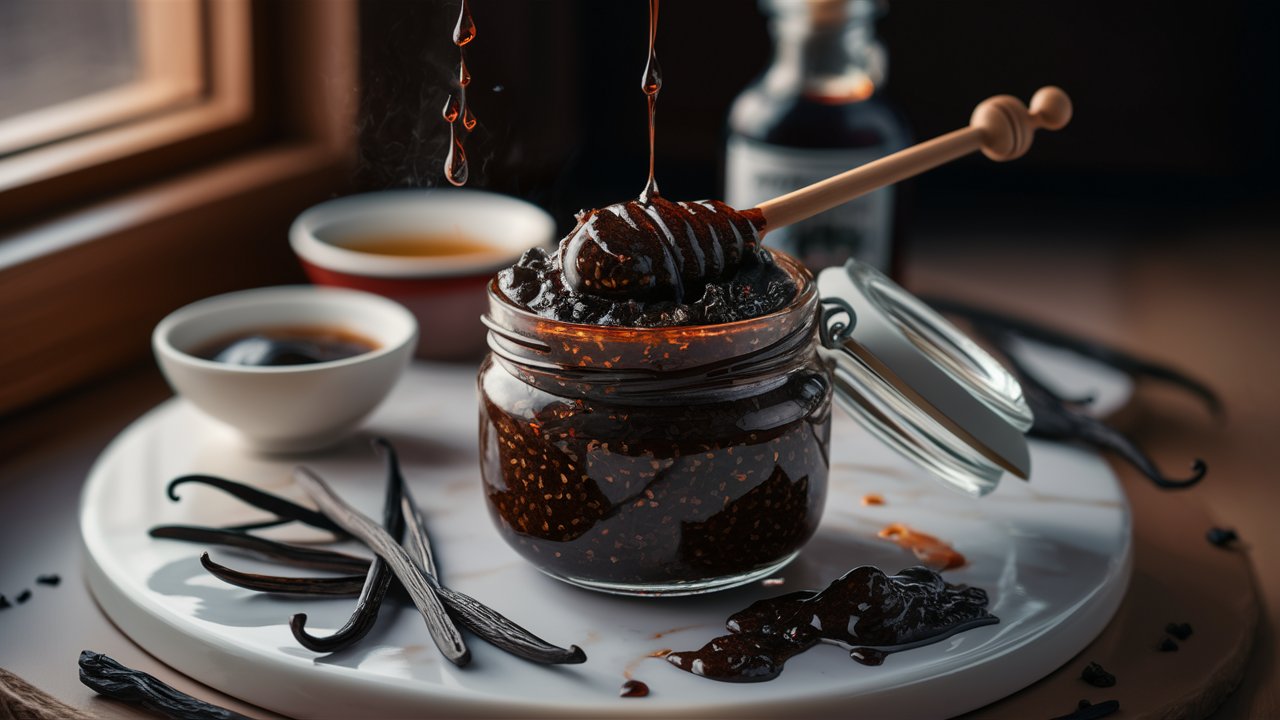
If you’ve been buying vanilla bean paste from the store and wincing at the price tag every single time, this vanilla bean paste recipe is about to completely change your baking life. Rich, intensely flavored, loaded with beautiful black vanilla bean specks, and made from ingredients you can find at any grocery store or online spice shop — this homemade vanilla bean paste recipe costs a fraction of commercial versions and tastes dramatically better than anything that comes in a store-bought jar.
Vanilla bean paste is one of those ingredients that professional pastry chefs and serious home bakers keep on hand at all times. It delivers the full, complex flavor of real vanilla beans in a convenient, easy-to-measure paste format — giving you those gorgeous black specks in your custards, ice creams, cakes, and frostings that signal to everyone that you’re using the real thing. This vanilla bean paste recipe gives you all of that, on your terms, at a fraction of the commercial price.
Whether you’re a dedicated home baker who goes through vanilla constantly, or someone who simply wants to understand exactly what goes into their ingredients, this vanilla bean paste recipe gives you complete control over the quality and intensity of one of baking’s most essential flavors.
Before diving into this vanilla bean paste recipe, understanding what vanilla bean paste actually is — and how it differs from vanilla extract and vanilla beans — helps you use it most effectively.
Vanilla bean paste is a thick, syrupy paste made from vanilla bean seeds (the black specks scraped from inside vanilla pods), vanilla extract, and a thickening agent — usually corn syrup, sugar syrup, or gum tragacanth. The result is a concentrated vanilla product that combines the convenience of vanilla extract with the visual impact and aromatic intensity of whole vanilla beans.
Vanilla bean paste vs. vanilla extract: Vanilla extract is a liquid made by macerating vanilla beans in alcohol. It delivers excellent flavor but no visual bean specks. This vanilla bean paste recipe delivers both intense flavor AND the beautiful black specks that make desserts look professionally made.
Vanilla bean paste vs. vanilla beans: Whole vanilla beans are the most labor-intensive and expensive option. Splitting and scraping a pod takes time and produces a small amount of seeds. This vanilla bean paste recipe gives you the same seeds in a convenient, pre-prepared format that measures easily and stores for months.
When to use vanilla bean paste: This vanilla bean paste recipe is ideal for any preparation where you want the visual impact of vanilla bean specks — crème brûlée, panna cotta, ice cream, whipped cream, buttercream frosting, custards, and any light-colored baked good where those specks will show beautifully.
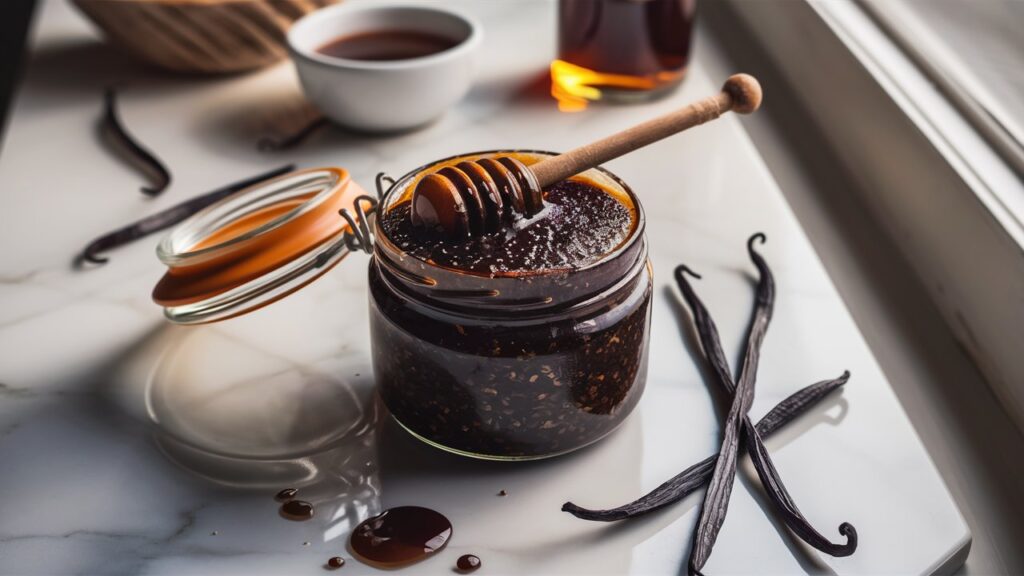
Cost. Commercial vanilla bean paste costs significantly more per ounce than homemade. This vanilla bean paste recipe — made with quality vanilla beans and simple pantry ingredients — costs considerably less per equivalent amount while delivering superior flavor.
Control over intensity. Store-bought vanilla bean paste has a fixed concentration. This vanilla bean paste recipe lets you make it as intense or as mild as you prefer — simply adjust the ratio of vanilla beans to base liquid.
No additives or preservatives. Commercial vanilla bean paste often contains artificial flavors, caramel color, and various stabilizers. This vanilla bean paste recipe contains only real vanilla and simple, clean ingredients.
Freshness. Homemade vanilla bean paste made with fresh vanilla beans has a vibrancy and intensity that pre-packaged commercial versions often lack. This vanilla bean paste recipe captures vanilla at its aromatic peak.
Customization. This vanilla bean paste recipe can be adapted to different vanilla bean varieties — Madagascar Bourbon for the classic rich, creamy flavor, Tahitian for floral and fruity notes, or Mexican for bold, spicy complexity.
The quality of your vanilla beans is the most important factor in the final flavor of this vanilla bean paste recipe:
Madagascar Bourbon vanilla beans (recommended): The most widely available and beloved variety for this vanilla bean paste recipe. Madagascar Bourbon vanilla has a rich, creamy, classic vanilla flavor with warm, sweet notes that work beautifully in virtually every baking application.
Tahitian vanilla beans: A more exotic choice for this vanilla bean paste recipe. Tahitian vanilla has a floral, fruity, almost cherry-like flavor profile that’s particularly beautiful in pastry creams, ice creams, and fruit-based desserts.
Mexican vanilla beans: Produce a bold, slightly spicy vanilla flavor in this vanilla bean paste recipe that’s particularly good in chocolate-based desserts, Mexican-inspired baked goods, and anything with warm spices.
Grade A vs. Grade B vanilla beans: Grade A beans are plump, moist, and visually perfect — ideal for this vanilla bean paste recipe where the seeds will be visible in the final product. Grade B beans are drier and less attractive but have equally good flavor — perfectly suitable for this vanilla bean paste recipe since the beans are processed anyway.
Where to buy: Specialty food stores, online spice retailers, and Amazon all carry good quality vanilla beans. Avoid grocery store vanilla beans — typically sold in tiny quantities at inflated prices — and buy in larger quantities from specialty suppliers for significant savings when making this vanilla bean paste recipe.
The base of this vanilla bean paste recipe requires a thickening agent to give it the paste consistency. You have several options:
Corn syrup: The most common commercial thickener for this vanilla bean paste recipe. Corn syrup produces a smooth, glossy paste with good shelf stability. Use light corn syrup for a cleaner flavor.
Honey: A natural alternative thickener for this vanilla bean paste recipe. Honey adds a subtle floral sweetness that complements vanilla beautifully. Use a mild honey — like clover or acacia — to avoid overpowering the vanilla.
Maple syrup: Another natural option for this vanilla bean paste recipe. Pure maple syrup adds a warm, caramel-like undertone that pairs particularly well with the rich Madagascar vanilla flavor.
Simple syrup: Made by dissolving equal parts sugar and water, simple syrup is the cleanest, most neutral thickening option for this vanilla bean paste recipe — it adds sweetness without any competing flavor.
Glycerin (food grade): Produces the most stable, longest-lasting version of this vanilla bean paste recipe. Glycerin is flavorless and odorless, making it ideal when you want pure vanilla flavor without any additional sweetness.
Use a sharp knife to split the beans. Press the tip of a sharp paring knife into the top of the vanilla bean, then draw it firmly down the length of the pod to split it completely open. This vanilla bean paste recipe requires the seeds scraped from both halves of each pod.
Scrape firmly. Hold the split pod flat on the cutting board and use the back of your knife blade (not the sharp edge) to scrape firmly along the inside of each half. This vanilla bean paste recipe depends on getting every possible seed out of each pod.
Use the spent pods too. After scraping the seeds, don’t discard the spent pods. Add them to a jar of sugar to make vanilla sugar, steep them in cream for flavoring, or add them to this vanilla bean paste recipe during the simmering stage to extract additional flavor.
Blend thoroughly. A thorough blend in a small food processor or high-powered blender is essential for this vanilla bean paste recipe — it ensures the seeds are evenly dispersed throughout the paste and breaks down any larger seed clusters.
Strain or don’t strain. This vanilla bean paste recipe can be left unstrained for maximum vanilla seed visibility, or strained through a fine mesh strainer for a smoother consistency. Both versions are equally flavorful — it’s purely a textural preference.
Label and date your jar. Homemade vanilla bean paste has excellent shelf life but should be labeled with the date it was made. This vanilla bean paste recipe keeps for up to 6 months at room temperature and up to 1 year refrigerated.
The substitution ratio for this vanilla bean paste recipe is simple: use 1 teaspoon of vanilla bean paste for every 1 teaspoon of vanilla extract called for in any recipe. The flavor intensity is equivalent, but this vanilla bean paste recipe adds the beautiful visual element of vanilla bean specks.
Best applications for this vanilla bean paste recipe:
Ice cream and frozen desserts: The seeds in this vanilla bean paste recipe are suspended beautifully throughout ice cream and gelato, creating that instantly recognizable “real vanilla” appearance that distinguishes premium ice cream.
Custards and pastry cream: This vanilla bean paste recipe is ideal for crème brûlée, crème caramel, pastry cream, and panna cotta — the light color of these preparations makes the black specks particularly visible and beautiful.
Whipped cream: A small amount of this vanilla bean paste recipe in whipped cream transforms it from plain to spectacular — the specks are stunning against the white cream.
Buttercream frosting: Adding this vanilla bean paste recipe to vanilla buttercream produces a frosting that looks artisanal and bakery-quality with minimal additional effort.
Pancakes and waffles: Stir a teaspoon of this vanilla bean paste recipe into pancake or waffle batter for a breakfast that tastes extraordinary and has beautiful vanilla specks throughout.
Shortbread and butter cookies: This vanilla bean paste recipe in buttery cookies creates a beautiful speckled appearance and an intensely vanilla flavor that elevates simple cookies to something truly special.
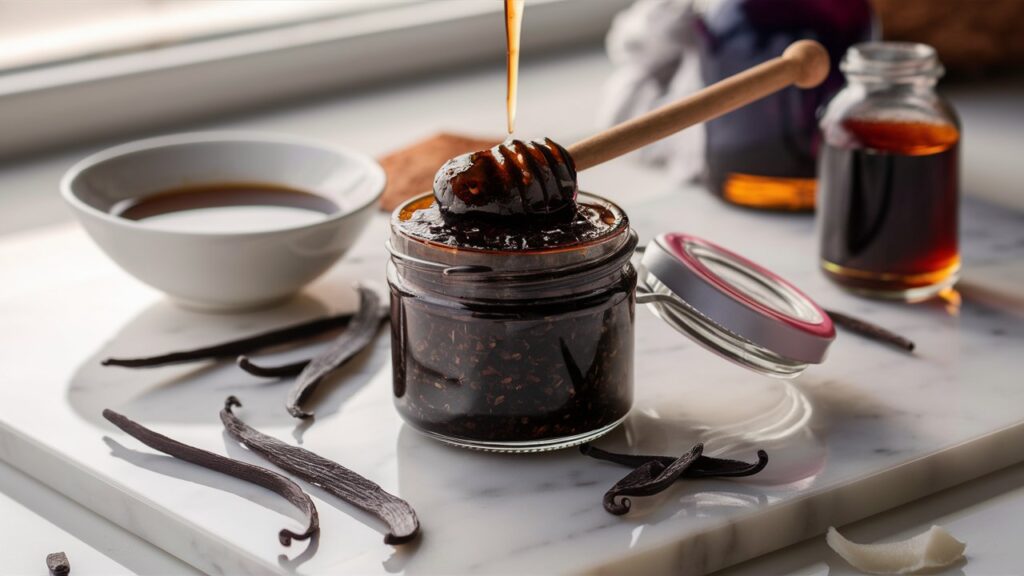
Double strength vanilla bean paste: Double the number of vanilla beans per batch of this vanilla bean paste recipe for an ultra-intense version that works beautifully in strong-flavored applications like chocolate cakes where vanilla needs to compete with intense cocoa.
Bourbon vanilla bean paste: Add 2 tablespoons of bourbon whiskey to this vanilla bean paste recipe for a sophisticated, complex flavor that’s particularly good in adult desserts, chocolate applications, and holiday baking.
Lavender vanilla bean paste: Add 1 teaspoon of dried culinary lavender to the simmering liquid in this vanilla bean paste recipe, then strain before blending. The floral lavender-vanilla combination is exquisite in shortbread, panna cotta, and whipped cream.
Spiced vanilla bean paste: Add a cinnamon stick, two cardamom pods, and a star anise to the simmering liquid in this vanilla bean paste recipe, then strain. The warm spices complement the vanilla beautifully for fall and holiday baking.
Coffee vanilla bean paste: Add 1 tablespoon of finely ground espresso to this vanilla bean paste recipe for a mocha-vanilla version that’s exceptional in tiramisu, coffee buttercream, and chocolate desserts.
Room temperature storage: Store this vanilla bean paste recipe in a clean, sterilized glass jar with a tight-fitting lid at room temperature away from direct light and heat. Properly stored, this vanilla bean paste recipe keeps for up to 6 months.
Refrigerator storage: Refrigerating this vanilla bean paste recipe extends its shelf life to up to 1 year. The paste may thicken slightly when cold — stir well or let it come to room temperature before measuring.
Signs of spoilage: If this vanilla bean paste recipe develops any off-odors, visible mold, or unusual discoloration beyond the natural dark brown-black color, discard and make a fresh batch.
Sterilizing jars: Before filling with this vanilla bean paste recipe, sterilize your glass jar by washing with hot soapy water, rinsing thoroughly, and drying in a 120°C oven for 10 minutes.
How much vanilla bean paste recipe equals one vanilla bean? One vanilla bean is equivalent to approximately 1 teaspoon of this vanilla bean paste recipe — the same amount as 1 teaspoon of vanilla extract.
Can I use this vanilla bean paste recipe in savory cooking? Yes — vanilla pairs surprisingly well with savory applications. Add a small amount of this vanilla bean paste recipe to seafood dishes, cream sauces for pasta, or salad dressings for a subtle, aromatic complexity.
Why is my vanilla bean paste recipe too thick? Add additional vanilla extract or water, one teaspoon at a time, until the desired consistency is reached. This vanilla bean paste recipe should be thick but still pourable — similar to a thick syrup.
Why is my vanilla bean paste recipe too thin? Add more corn syrup or simple syrup to thicken this vanilla bean paste recipe. Alternatively, simmer the mixture for a few more minutes to reduce and concentrate.
Can I use imitation vanilla in this vanilla bean paste recipe? Technically yes, but the result will be significantly inferior. This vanilla bean paste recipe is specifically designed to showcase the flavor of real vanilla beans — using imitation vanilla defeats the entire purpose.
This vanilla bean paste recipe is one of the most valuable things a serious baker can learn to make. It’s inexpensive, straightforward, completely customizable, and produces a product that’s measurably superior to almost every commercial alternative — richer, fresher, more intensely flavored, and loaded with the beautiful black specks that mark the difference between a good dessert and an extraordinary one.
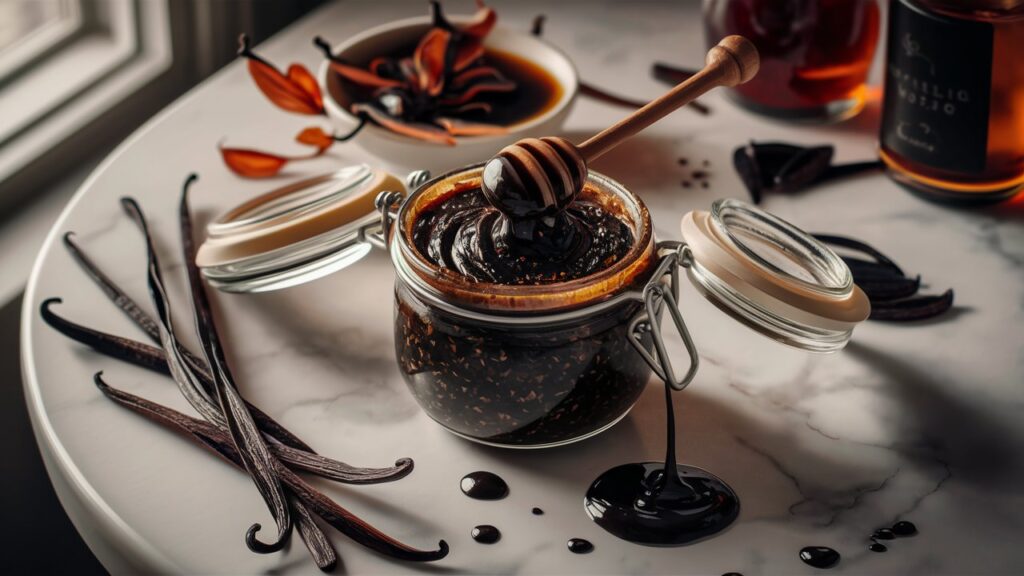
Make a batch of this vanilla bean paste recipe this weekend. Label the jar. Put it in a prominent place in your kitchen. And start adding it to everything — because once you experience what real vanilla bean paste does to your custards, your ice creams, your buttercreams, and your cakes, you’ll never go back to plain vanilla extract again.
This vanilla bean paste recipe is that good. And now it’s yours.