If you’ve been searching for guisquil recipes that go beyond the basics and show you everything this remarkable Central American…
If you’ve been searching for guisquil recipes that go beyond the basics and show you everything this remarkable Central American vegetable is truly capable of — you’ve come to exactly the right place. Guisquil is one of the most versatile, nutritious, and underappreciated vegetables in Latin American cooking, and the right guisquil recipes can transform it from an unfamiliar ingredient into a permanent staple of your weekly cooking rotation.
Known by different names across Latin America — chayote in Mexico, christophine in the Caribbean, mirliton in Louisiana — guisquil is the name used primarily in Guatemala, El Salvador, Honduras, and Nicaragua for this remarkable squash-like vegetable. Whatever you call it, guisquil recipes represent some of the most satisfying, health-supportive, and genuinely delicious cooking in the Central American culinary tradition.
This guide gives you 15 of the best guisquil recipes — from the simplest preparations that let the vegetable’s mild, delicate flavor shine through, to more complex dishes that showcase its extraordinary versatility. Whether you’re completely new to this vegetable or you grew up eating guisquil recipes at your grandmother’s table, this collection has something extraordinary waiting for you.
Before diving into the guisquil recipes, understanding what this remarkable vegetable is helps you cook with it more effectively and appreciate its unique qualities.
Guisquil (Sechium edule) is a member of the gourd family — related to cucumbers, zucchini, and squash. It’s a pear-shaped vegetable with pale green skin that ranges from smooth to slightly ridged depending on the variety. The flesh is white to pale green, firm, mildly sweet, and extremely mild in flavor — making it the perfect blank canvas for the bold, aromatic seasonings that define Central American guisquil recipes.
Unlike many vegetables that have a strong, assertive flavor that limits their culinary applications, guisquil’s gentle mildness is precisely what makes it so extraordinarily versatile in guisquil recipes. It absorbs surrounding flavors beautifully — garlic, onion, tomato, cilantro, and chili all penetrate the flesh of guisquil during cooking, transforming a neutral vegetable into something deeply flavorful and satisfying.
Nutritional profile: Guisquil is remarkably nutritious — low in calories (approximately 19 calories per 100g), high in fiber, rich in folate, vitamin C, and potassium, and containing beneficial antioxidants. The guisquil recipes in this guide are not just delicious — they’re genuinely good for you.
Extraordinary versatility. The guisquil recipes in this guide demonstrate that this vegetable can be boiled, steamed, sautéed, roasted, stuffed, pickled, added to soups and stews, used in salads, and even incorporated into desserts. Very few vegetables offer this range of culinary applications.
Year-round availability. Unlike seasonal vegetables that are only at their best for a few months, guisquil is available year-round in Latin American grocery stores and increasingly in mainstream supermarkets. Guisquil recipes can be made any time of year.
Incredible value. Guisquil is one of the most affordable vegetables available — a single guisquil costs very little and can be stretched across multiple servings. Guisquil recipes are budget-friendly without sacrificing nutrition or flavor.
Mild flavor that everyone loves. Even people who claim to dislike vegetables consistently enjoy guisquil recipes — the mild, slightly sweet flavor and tender texture is universally appealing. It’s an excellent gateway vegetable for children and picky eaters.
Excellent texture. Properly cooked guisquil has a satisfying texture that holds up beautifully in soups, stews, and sautés without becoming mushy — making it ideal for the long-cooked guisquil recipes that are central to Central American cooking.
Getting the most out of your guisquil recipes starts with choosing and preparing the vegetable correctly:
Selecting guisquil: Choose firm, smooth guisquil with no soft spots, blemishes, or wrinkling. The skin should be pale green and taut. Smaller guisquil tend to be more tender and flavorful for guisquil recipes — very large specimens can be slightly tougher and more watery.
Peeling guisquil: Guisquil releases a slightly sticky substance when peeled that can cause temporary skin irritation in some people. For guisquil recipes that require peeling, peel under running water or wear gloves. The skin of young, tender guisquil can be left on — it’s completely edible and adds texture and nutrition.
The seed: Unlike most squash, guisquil contains a single large, flat seed in the center that is completely edible and delicious when cooked. For most guisquil recipes, simply cook the guisquil with the seed intact — it has a slightly different texture from the surrounding flesh and adds interest to the dish.
Cutting: Guisquil can be cut into cubes, slices, strips, or halved lengthwise for stuffing — depending on the guisquil recipes you’re making.
The simplest and most fundamental of all guisquil recipes. Guisquil cut into thin strips sautéed in olive oil with garlic, onion, and a pinch of cumin until tender and slightly golden. This guisquil recipes preparation is the perfect introduction to the vegetable’s delicate flavor and satisfying texture.
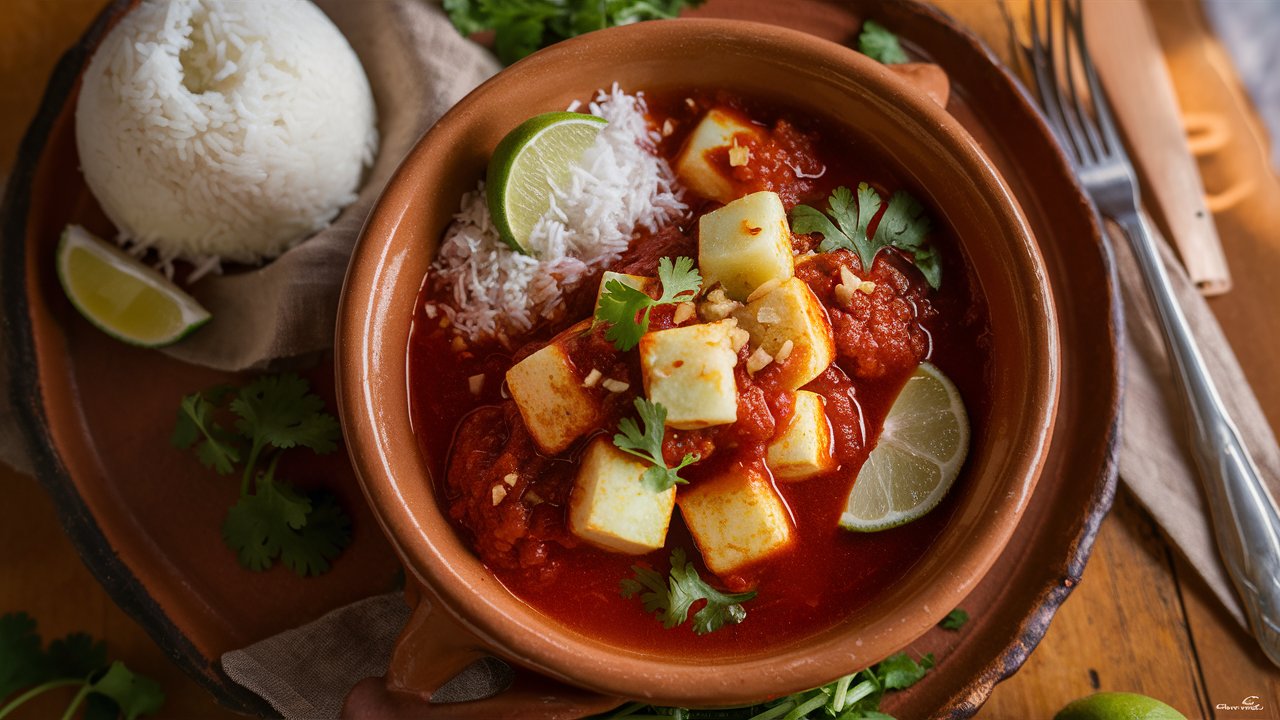
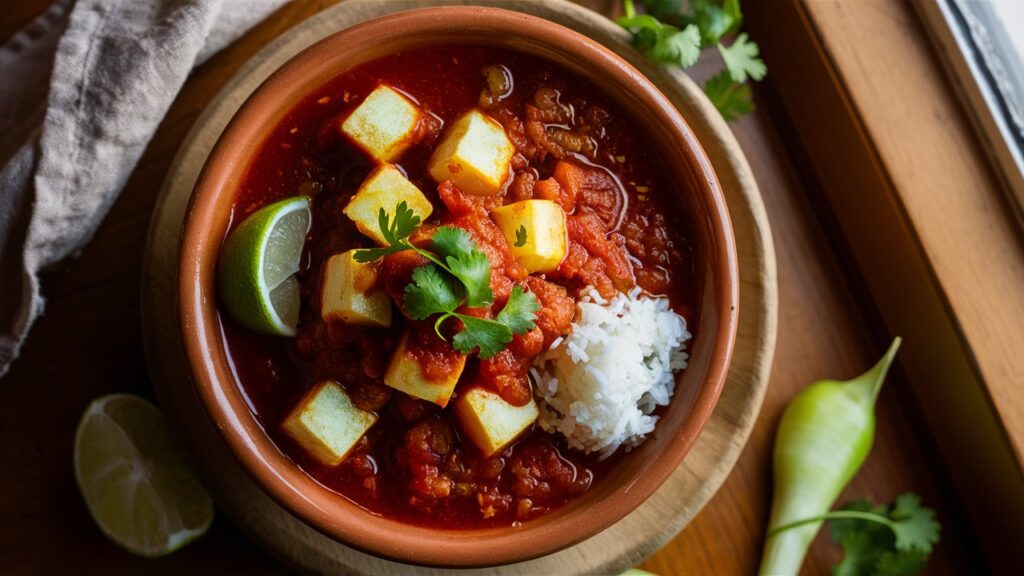
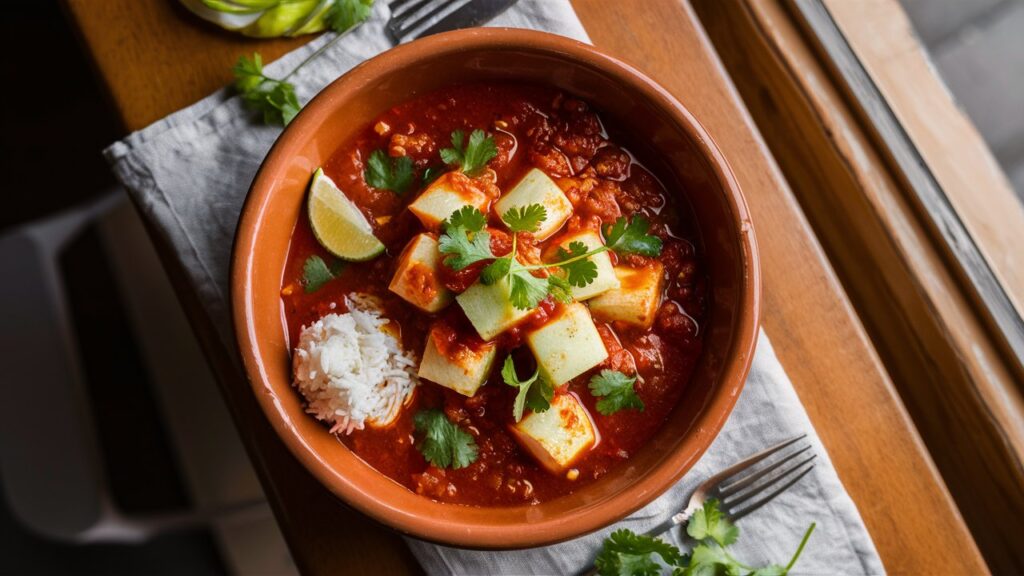
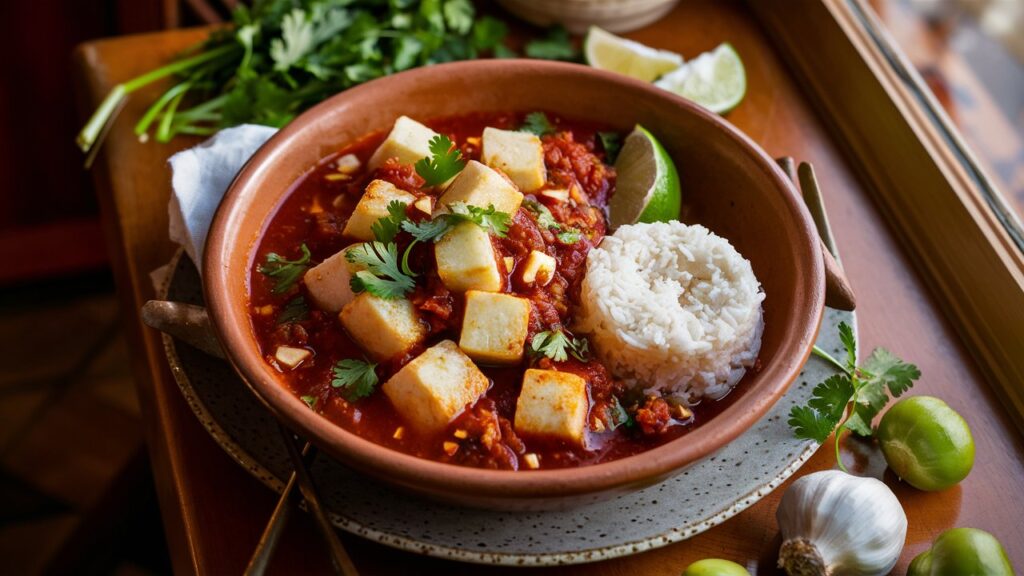
One of the most popular guisquil recipes in Guatemala and El Salvador. Guisquil cubes simmered in a homemade tomato sauce with onion, garlic, cilantro, and achiote until completely tender and infused with the vibrant tomato flavors. Serve over white rice for a complete, satisfying meal.
A warming, nourishing guisquil recipes staple — guisquil in a clear chicken or vegetable broth with onion, garlic, corn, carrots, and fresh cilantro. Simple, healing, and deeply satisfying. This guisquil recipes soup is the Central American equivalent of chicken noodle soup — the dish that makes everything better.
One of the most impressive guisquil recipes in the Central American tradition. Guisquil halved and scooped, the flesh mixed with ground meat, tomato, onion, and cheese, then stuffed back into the shell and baked until golden. A complete, elegant dish that showcases the full potential of guisquil recipes.
Thinly sliced guisquil layered with cream, garlic, and a generous amount of melted cheese — baked until bubbling and golden. This French-inspired guisquil recipes preparation transforms the mild vegetable into a rich, indulgent side dish that pairs beautifully with grilled meats.
Raw or lightly blanched guisquil julienned into thin strips and tossed with lime juice, olive oil, cilantro, red onion, and a pinch of chili. This fresh, bright guisquil recipes preparation is perfect for summer and showcases the vegetable’s clean, mild flavor at its most refreshing.
A hearty, deeply flavored guisquil recipes classic — pork shoulder braised with guisquil, tomatoes, onion, garlic, and a blend of Central American spices until the meat is tender and the guisquil has absorbed all the rich pork flavors. Serve with corn tortillas and black beans.
Grated guisquil mixed with egg, flour, cheese, and herbs — pan-fried until golden and crispy on the outside, tender on the inside. These guisquil recipes fritters are perfect as a snack, appetizer, or light meal and are one of the most popular ways to introduce children to guisquil.
A simple, satisfying guisquil recipes breakfast or light dinner — sautéed guisquil scrambled together with eggs, onion, and tomato. This humble but delicious guisquil recipes preparation is a staple of Central American home cooking and one of the most comforting quick meals imaginable.
Guisquil thinly sliced and pickled in a bright vinegar brine with onion, jalapeño, oregano, and garlic. These guisquil recipes pickles are an essential condiment in Central American cuisine — served alongside pupusas, tamales, and grilled meats for a bright, acidic contrast.
A Caribbean-inspired guisquil recipes preparation — guisquil simmered in rich coconut milk with garlic, ginger, thyme, and a touch of chili. The coconut milk transforms the mild guisquil into something tropical, creamy, and utterly irresistible. Serve over rice for a complete meal.
Guisquil cut into wedges, tossed with olive oil, garlic, fresh thyme, and rosemary — roasted at high heat until caramelized and tender. Roasting brings out a subtle sweetness in the guisquil that makes this guisquil recipes preparation surprisingly complex and deeply satisfying.
Sautéed guisquil with black beans, cumin, chili powder, and lime — piled into warm corn tortillas with avocado, pickled onion, and cilantro. These guisquil recipes tacos are completely plant-based, nutritionally complete, and so flavorful that no one will miss the meat.
Guisquil simmered until completely tender, then blended with cream, garlic, and vegetable broth into a silky, elegant soup with a beautiful pale green color. This guisquil recipes preparation is sophisticated enough for a dinner party first course and simple enough for a weeknight dinner.
A traditional Central American guisquil recipes sweet — guisquil simmered with piloncillo (raw cane sugar), cinnamon, cloves, and vanilla until completely tender and glazed in a rich, fragrant syrup. This surprising guisquil recipes dessert showcases the vegetable’s natural sweetness and demonstrates the extraordinary versatility of guisquil across both savory and sweet applications.
Understanding which seasonings work best with guisquil helps you develop your own guisquil recipes with confidence:
Garlic and onion: The foundation of virtually every guisquil recipes preparation. Guisquil’s mild flavor is beautifully enhanced by the pungent, aromatic qualities of garlic and onion — always sauté these aromatics first before adding guisquil.
Cilantro: The herb most closely associated with guisquil recipes in Central American cooking. Fresh cilantro added at the end of cooking adds brightness and a fresh green note that complements the mild guisquil perfectly.
Cumin: A small amount of cumin adds warm, earthy depth to guisquil recipes without overpowering the delicate vegetable. Use sparingly — a little goes a long way.
Achiote (annatto): The spice that gives many guisquil recipes their characteristic golden-orange color and subtle earthy flavor. Achiote paste or powder is widely available in Latin American grocery stores.
Chili: Fresh or dried chili adds heat and complexity to guisquil recipes. The mild sweetness of guisquil pairs particularly well with the fruity heat of fresh jalapeño or the smoky depth of dried guajillo chili.
Lime juice: A squeeze of fresh lime at the end of cooking guisquil recipes brightens every flavor and brings the dish into sharp, satisfying focus.
The guisquil recipes in this guide are not just delicious — they’re genuinely excellent for your health:
Low in calories, high in nutrition. Guisquil contains only 19 calories per 100g — making guisquil recipes ideal for anyone managing their weight without sacrificing satisfaction or nutrition.
Rich in folate. Guisquil is an excellent source of folate — a B vitamin essential for cell division and DNA synthesis. Guisquil recipes are particularly beneficial for pregnant women who have elevated folate requirements.
High in fiber. The dietary fiber in guisquil supports digestive health, helps regulate blood sugar levels, and contributes to sustained satiety — making guisquil recipes genuinely filling despite their low calorie content.
Antioxidant rich. Guisquil contains quercetin, myricetin, and kaempferol — powerful antioxidant flavonoids that support cardiovascular health and reduce oxidative stress. Regular consumption of guisquil recipes contributes meaningfully to antioxidant intake.
Kidney health support. Traditional Central American medicine has long used guisquil as a diuretic food — and modern research supports the idea that guisquil recipes may support kidney and urinary tract health through their high water content and natural diuretic compounds.
Finding guisquil to make these guisquil recipes is easier than you might think:
Latin American grocery stores: The most reliable source for guisquil for your guisquil recipes. Any store serving a Central American or Mexican community will carry guisquil (often labeled as chayote) year-round.
Asian grocery stores: Many Asian grocery stores carry chayote/guisquil, as it’s also used in Vietnamese, Filipino, and Chinese cooking.
Mainstream supermarkets: Increasingly, major supermarket chains carry chayote in the international produce section — look for it near other tropical vegetables for your guisquil recipes.
Farmers markets: In areas with large Latin American communities, guisquil occasionally appears at farmers markets — often sold by growers who specialize in Latin American produce.
Online: Several online produce retailers ship fresh guisquil/chayote directly to your door — useful if you live in an area where finding guisquil for your guisquil recipes is challenging.
These 15 guisquil recipes prove that one of Central America’s most beloved vegetables deserves a far wider audience than it currently enjoys. From the simplest sautéed preparation that highlights guisquil’s delicate natural flavor, to the most complex stuffed and baked guisquil recipes that showcase its extraordinary culinary range — this vegetable consistently delivers satisfaction, nutrition, and genuine deliciousness in every preparation.
Whether you grew up eating guisquil recipes and are looking to reconnect with those flavors, or you’re discovering guisquil for the very first time and wondering what to do with it — these guisquil recipes give you everything you need to fall completely in love with one of the great underrated vegetables of the Americas.
Find your guisquil. Try the first recipe that appeals to you. And discover for yourself why guisquil recipes have been feeding, nourishing, and delighting people across Central America for generations.