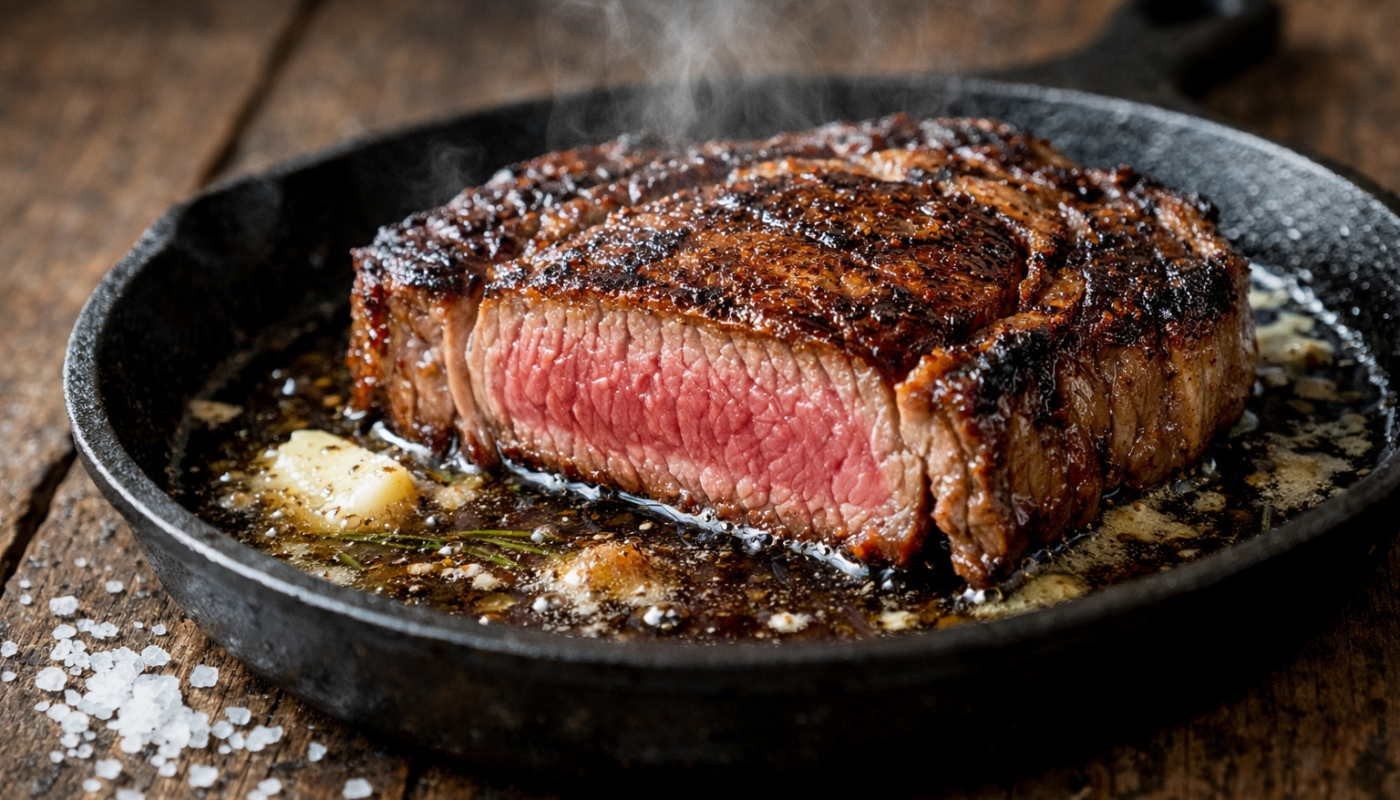
If you’ve been searching for carnivore diet recipes that are simple, satisfying, and genuinely delicious, you’re in the right place.…
If you’ve been searching for carnivore diet recipes that are simple, satisfying, and genuinely delicious, you’re in the right place. Whether you’re a complete beginner or someone who has been eating animal-based for years, this guide gives you everything you need — from quick breakfast ideas to hearty dinners — all completely free of plant foods.
Let’s dive in.
The carnivore diet is a way of eating that eliminates all plant-based foods and focuses exclusively on animal products. This means meat, fish, eggs, and certain dairy products are the foundation of every single meal.
Unlike other low-carb diets like keto, carnivore takes things a step further by removing vegetables, fruits, legumes, nuts, seeds, and grains entirely. The philosophy is simple: our ancestors thrived on animal foods, and many modern health problems are linked to plant compounds, seed oils, and processed carbohydrates.
People follow the carnivore diet for many reasons:
The best part? The carnivore diet recipes themselves are incredibly straightforward. When your ingredients list is just meat and salt, cooking becomes almost meditative.
Before jumping into the recipes, here’s a quick reference of carnivore-approved foods:
Always allowed:
Not allowed:
Now that you know the basics, let’s get into the carnivore diet recipes you actually came here for.
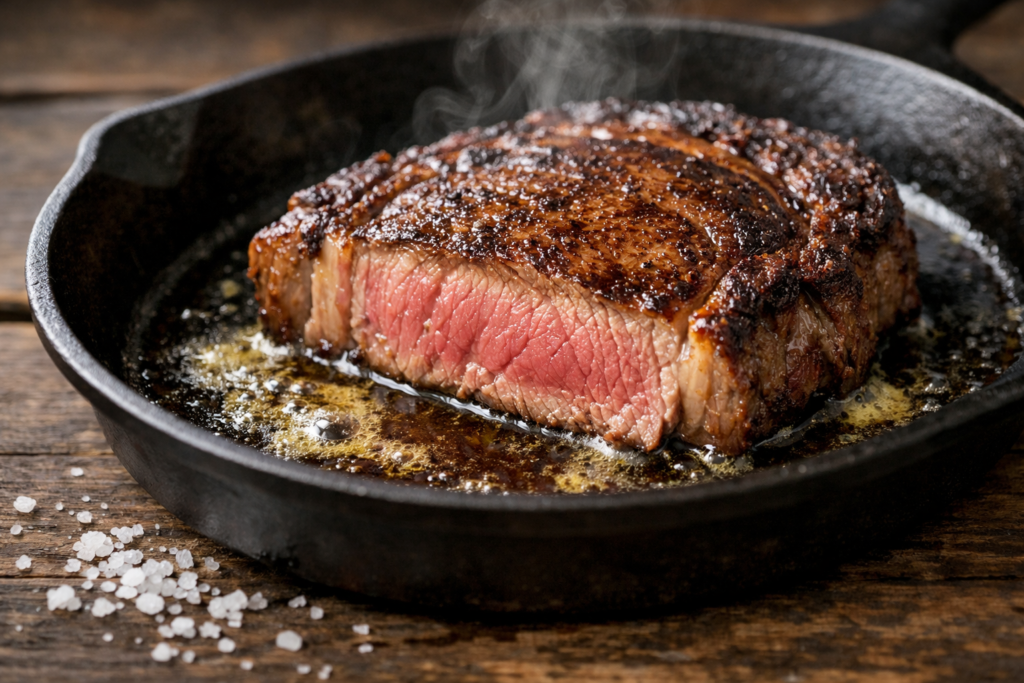
Nothing represents the carnivore diet better than a perfectly cooked ribeye. This recipe is the gold standard — crispy crust, juicy interior, rich butter flavor.
The secret is a screaming hot cast iron pan and basting the steak repeatedly with melted butter as it cooks. Let the meat rest properly and you’ll have a restaurant-quality meal every single time.
This is the easiest carnivore breakfast you can make. Crispy bacon, soft scrambled eggs cooked in the leftover bacon fat, and optionally topped with a slice of aged cheddar.
It takes under 10 minutes and keeps you full for hours. No more mid-morning hunger crashes.
When you want something that feels indulgent and luxurious without any effort, short ribs are your answer. Low and slow cooking melts the connective tissue into rich, gelatinous tenderness.
Just season generously with salt, sear on all sides, and let time do the rest. The result is fall-off-the-bone beef that practically dissolves on your tongue.
Salmon is one of the most nutrient-dense carnivore foods available. It’s loaded with omega-3 fatty acids, vitamin D, and high-quality protein. Pan-searing it with brown butter creates a golden crust and a nutty, rich flavor that elevates a simple fillet into something special.
Ground beef is the unsung hero of carnivore eating. It’s affordable, versatile, quick to cook, and extremely satisfying. This recipe uses 80/20 ground beef cooked in its own fat, seasoned with salt, and optionally topped with a fried egg and crumbled bacon.
It’s the carnivore version of a comfort food bowl — and it takes less than 15 minutes.
Chicken thighs are far superior to chicken breasts for carnivore eating — they’re fattier, juicier, and more flavorful. Cooking them skin-side down in butter until the skin is shatteringly crisp is a technique that works every single time.
Organ meats are the most nutrient-dense foods on the planet. Beef liver in particular is rich in vitamin B12, iron, folate, copper, and retinol (preformed vitamin A). If you can get past the strong flavor, liver is an absolute nutritional powerhouse.
Cooking it with crispy bacon helps balance the intensity of the liver’s flavor and makes this one of the most nutrient-complete meals possible.
Slow-roasted pork belly sliced into bite-sized pieces with perfectly crackling skin — this is carnivore snacking at its finest. These can be made in a large batch and eaten throughout the week.
Bone broth is not just a drink — it’s a supplement, a meal, and a recovery tool all in one. Rich in collagen, glycine, proline, and trace minerals, a daily cup of bone broth supports joint health, gut lining integrity, and skin elasticity.
Simmer bones for 12–24 hours and you’ll have a deeply flavored, healing broth.
Lamb chops are often overlooked but they’re one of the most flavorful cuts available. A quick sear in a hot pan followed by a generous knob of garlic butter produces chops with a beautifully caramelized crust and a pink, tender interior.
Start simple. Don’t overcomplicate things in the beginning. Stick to beef, eggs, and butter for the first two to four weeks. Once your body adapts, you can experiment with different proteins and cooking methods.
Salt generously. On a zero-carb diet, your kidneys excrete more sodium. You need to replenish electrolytes regularly. Don’t be afraid of salt — season everything well.
Eat enough fat. This is not a lean protein diet. Fat is your primary fuel source on carnivore. Prioritize fatty cuts like ribeye, pork belly, and lamb shoulder over lean chicken breast or turkey.
Stay hydrated. Drink plenty of water throughout the day. You can also supplement with electrolytes, particularly sodium, potassium, and magnesium.
Be patient with the adaptation period. The first one to three weeks can be rough. Fatigue, headaches, and digestive changes are common as your body shifts from burning glucose to running on fat and ketones. Push through — it gets significantly easier.
Prioritize organ meats when possible. Even once or twice per week, incorporating liver, heart, or kidney dramatically increases the nutritional density of your diet.
Can I have dairy on carnivore? It depends on your goals and tolerance. Many people include butter, ghee, heavy cream, and hard aged cheeses without issue. If you’re experiencing stalls or digestive problems, eliminating dairy is a good first troubleshooting step.
Do I need to track macros? Most carnivore practitioners eat intuitively rather than tracking. The standard recommendation is to aim for roughly 70–80% of calories from fat and 20–30% from protein. Eat until you’re full and stop.
What about fiber and digestion? Many people are surprised to find their digestion actually improves on carnivore despite the absence of fiber. Constipation can occur in the early days — adequate fat intake and hydration usually resolve this quickly.
Is carnivore safe long-term? The honest answer is that long-term studies on fully carnivorous humans are limited. However, historical evidence from populations like the Inuit and Maasai — who thrived on predominantly animal-based diets — is encouraging. Many people have followed strict carnivore for years and report excellent bloodwork and health markers.
The carnivore diet recipes in this guide prove that eating animal-based doesn’t have to be boring, monotonous, or complicated. From a perfectly butter-basted ribeye to slow-cooked short ribs and nutrient-packed beef liver, there’s more variety and flavor in carnivore cooking than most people expect.
The key is quality ingredients, proper cooking technique, and enough fat to keep your energy levels stable and your hunger satisfied.
Whether you’re doing carnivore for weight loss, healing, mental clarity, or simply to cut through the noise of modern nutrition advice, these recipes give you a solid, delicious foundation to build from.
Start with the classics. Master the basics. And enjoy every bite.