Few desserts carry the kind of warmth and nostalgia that arroz con leche does. This classic Latin rice pudding —…
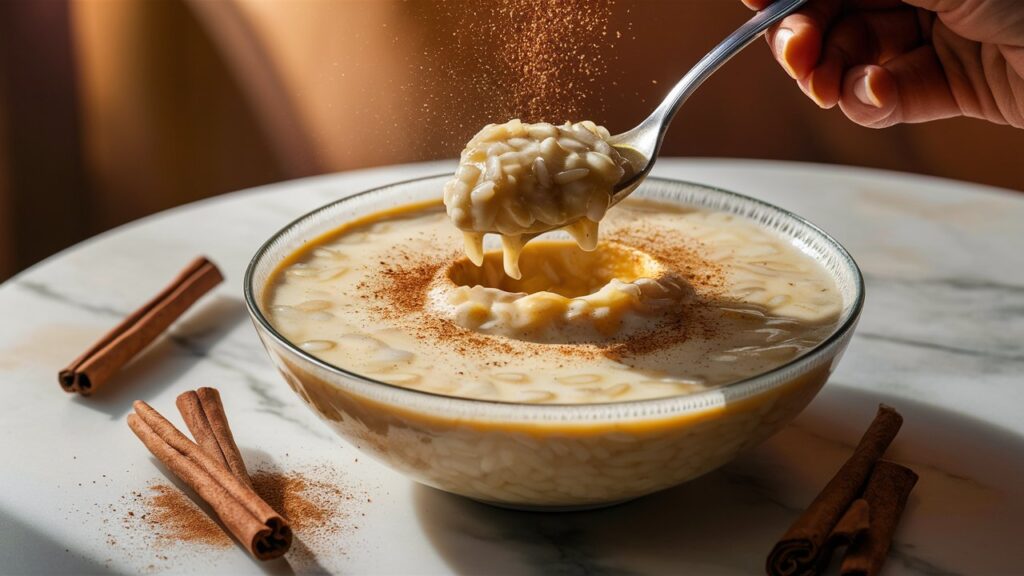
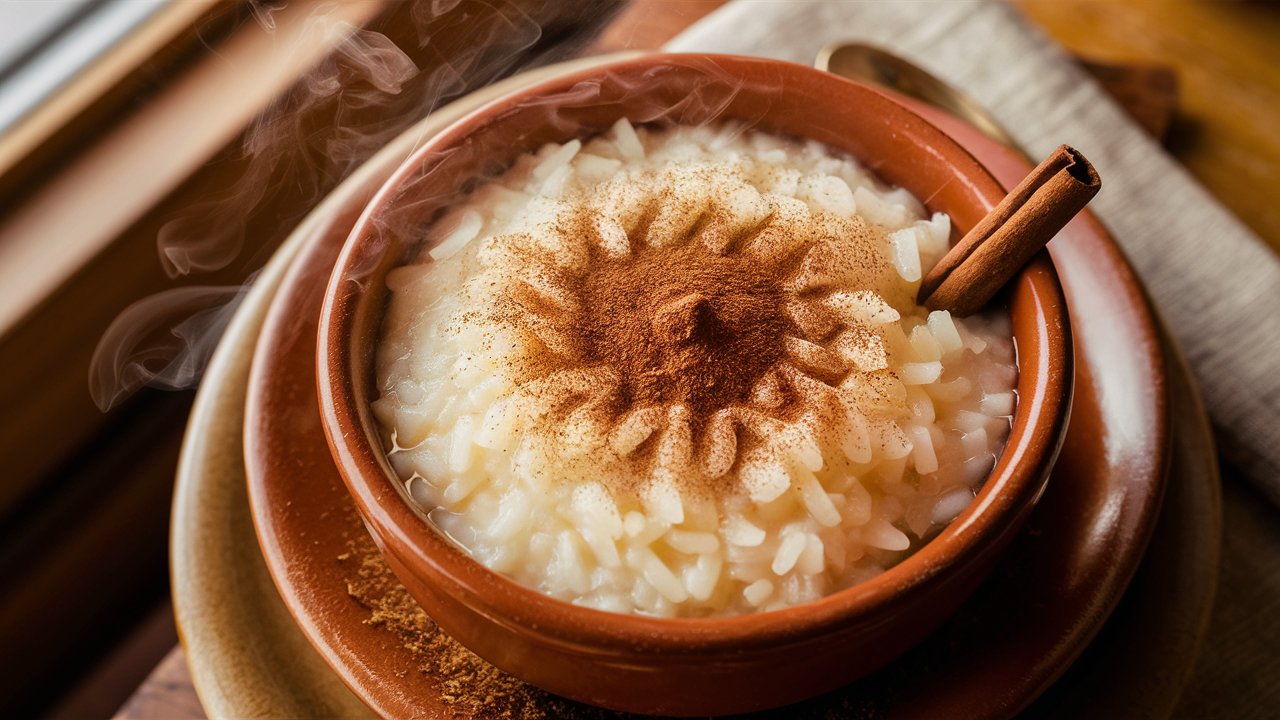
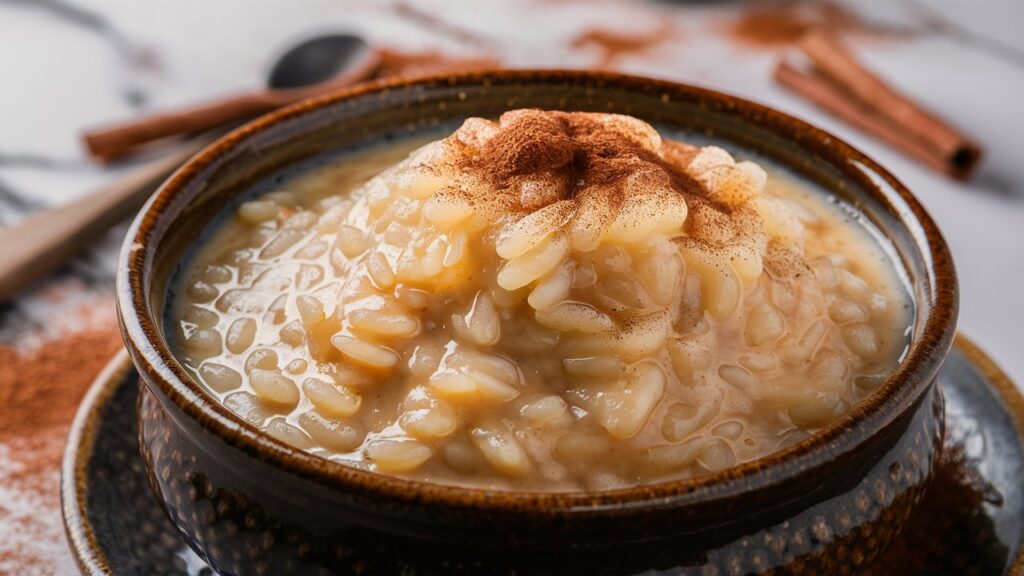
Few desserts carry the kind of warmth and nostalgia that arroz con leche does. This classic Latin rice pudding — literally translated as “rice with milk” — is one of those timeless comfort foods that feels like a hug in a bowl. Creamy, gently sweet, fragrant with cinnamon, and impossibly satisfying, arroz con leche is beloved across Spain, Latin America, and beyond.
This arroz con leche recipe gives you everything you need to make it perfectly — the right rice, the right technique, and the right balance of flavors — whether you’re making it for the first time or trying to recreate the version your grandmother used to make.
Arroz con leche is a traditional rice pudding made by slowly simmering white rice in milk with sugar, cinnamon, and often lemon or orange zest. The result is a thick, creamy, porridge-like dessert that can be served warm or cold depending on regional preference and personal taste.
The dish has roots in Spanish cuisine, brought to Latin America during colonization, where it evolved into dozens of regional variations. Today it’s found across Mexico, Peru, Colombia, Cuba, Puerto Rico, Argentina, and throughout the Spanish-speaking world — each with its own subtle twist.
Despite regional differences, the soul of arroz con leche remains the same everywhere: simple ingredients, slow cooking, and a deeply comforting result.
One of the most fascinating things about this dish is how differently it’s prepared from country to country:
Spain: The original version tends to be looser and creamier, often finished with a caramelized sugar top similar to crème brûlée. Lemon zest and cinnamon stick are standard aromatics.
Mexico: Often made with sweetened condensed milk for extra richness and sweetness. Raisins are sometimes added and it’s typically served cold with a heavy dusting of ground cinnamon.
Peru: Frequently includes cloves alongside cinnamon, and sometimes incorporates chancaca (unrefined cane sugar) for a more complex, molasses-like sweetness.
Colombia: Often made with panela (raw cane sugar) instead of white sugar, giving it a distinctive caramel undertone. Sometimes raisins or coconut are added.
Cuba: Tends to be on the sweeter side with condensed milk, served cold, and generously topped with ground cinnamon.
Puerto Rico: Similar to Cuban style, often very sweet and creamy with condensed and evaporated milk combined.
This recipe draws from the classic Spanish and Mexican traditions — creamy, fragrant, and perfectly balanced.
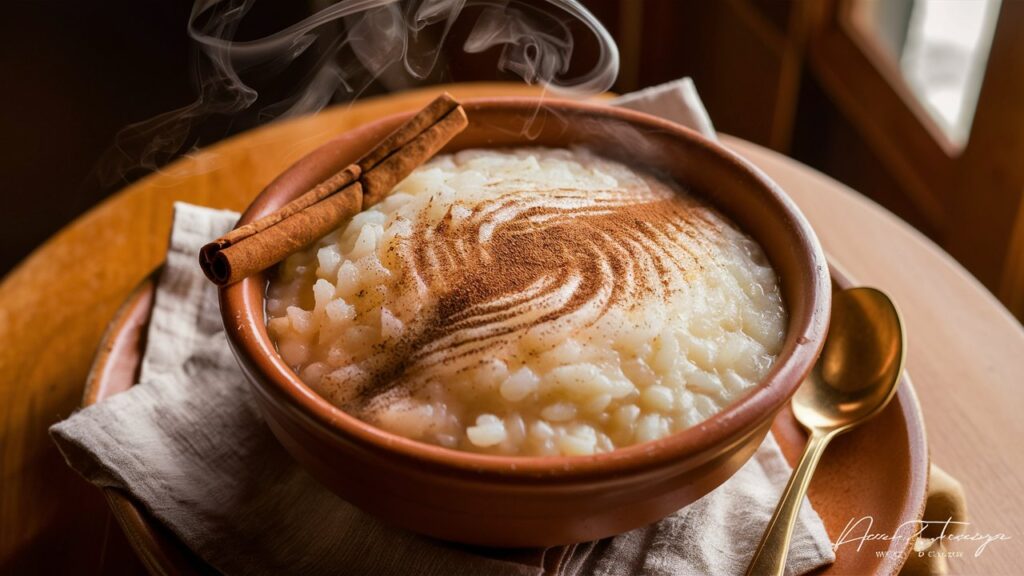
There are hundreds of arroz con leche recipes online. Here’s what makes this one stand out:
Pre-cooking the rice in water first. Starting the rice in water before adding milk prevents it from absorbing too much dairy too quickly, which can cause the milk to scorch on the bottom of the pan. This step is simple but makes a significant difference.
Using whole milk plus a touch of heavy cream. Whole milk gives you the classic flavor, but adding a small amount of heavy cream at the end creates a noticeably richer, silkier texture.
Infusing the milk with aromatics. Simmering the cinnamon stick, lemon zest, and vanilla in the milk before adding the rice extracts maximum flavor from these aromatics.
Low and slow cooking. Patience is everything with arroz con leche. Rushing the cooking over high heat leads to scorching, uneven texture, and less developed flavor. Low heat and frequent stirring is the path to perfection.
Finishing off the heat. The pudding continues to thicken as it cools. Removing it from the heat while it still looks slightly loose ensures it reaches the perfect consistency once served.
This is one of the great debates among arroz con leche lovers, and the honest answer is that both are equally valid — they just produce very different experiences.
Served warm: The pudding is loose, pourable, and deeply comforting. The cinnamon fragrance is more pronounced and the texture is silky and flowing. This is the classic way to serve it in Spain and many parts of Latin America.
Served cold: The pudding thickens considerably in the refrigerator, becoming denser and more set. The flavors mellow and blend together beautifully overnight. Many people strongly prefer cold arroz con leche for the contrast of the cold, thick pudding against the warm cinnamon topping.
The verdict: Make it once served warm, once served cold, and decide for yourself. Most people end up loving both.
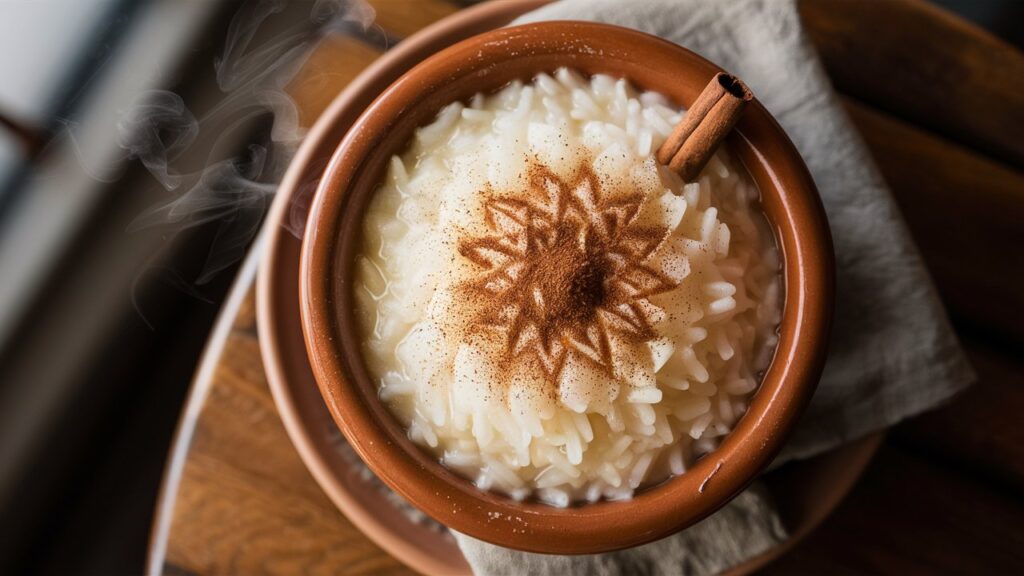
The classic garnish is simply a dusting of ground cinnamon — and honestly, it doesn’t need anything more. But here are some other beautiful options:
Using the wrong rice. Long-grain rice like basmati releases less starch and produces a looser, less creamy pudding. Short or medium-grain rice releases more starch as it cooks, creating that thick, creamy texture arroz con leche is known for. Arborio rice (risotto rice) also works extremely well.
Cooking on too high heat. High heat causes the milk to scorch on the bottom of the pan and can cause the milk proteins to break down, leaving you with a grainy texture. Keep the heat low and stir frequently.
Not stirring enough. Unlike cooking plain rice, arroz con leche needs regular stirring to prevent sticking and to encourage the starch to release into the milk, creating creaminess. Don’t walk away from the pot.
Adding sugar too early. Sugar added at the beginning can interfere with the rice’s ability to absorb liquid properly. Add it only in the last 15 minutes of cooking.
Not accounting for thickening. The pudding will thicken significantly as it cools. If it looks perfect in the pot, it will be too thick when cold. Pull it off the heat when it still looks slightly looser than your ideal final consistency.
Arroz con leche is one of the best make-ahead desserts you can prepare. In fact, many people argue it tastes better the next day after the flavors have had time to meld and deepen overnight.
Make it up to 3 days ahead and store covered in the refrigerator. When ready to serve, either enjoy cold straight from the fridge or gently reheat in a saucepan with a splash of milk to loosen it back to the desired consistency.
For individual portions: Pour the warm pudding into small ramekins or glasses immediately after cooking. Cover with plastic wrap (pressed directly onto the surface to prevent a skin from forming) and refrigerate until ready to serve. This makes for a beautiful, elegant presentation.
Dairy-free arroz con leche: Replace whole milk with full-fat coconut milk for a rich, tropical variation that’s naturally vegan. The coconut flavor pairs beautifully with the cinnamon. Oat milk also works but produces a less rich result.
Vegan version: Use plant-based milk and sweeten with maple syrup or coconut sugar instead of white sugar.
Lower sugar version: Reduce the sugar and add a ripe, mashed banana to the base for natural sweetness and extra creaminess.
Condensed milk version: Replace part of the regular milk with sweetened condensed milk for an ultra-rich, intensely sweet version popular in Mexico and Cuba. Reduce or eliminate the added sugar accordingly.
Evaporated milk version: Using evaporated milk alongside whole milk creates an exceptionally creamy, slightly caramelized flavor.
Arroz con leche is a complete dessert on its own, but it pairs beautifully with:
This arroz con leche recipe is proof that the simplest ingredients, treated with care and patience, can produce something truly extraordinary. There’s no special equipment, no complicated technique, and no hard-to-find ingredients — just rice, milk, sugar, and aromatics, slowly transformed into one of the most comforting desserts in the world.
Make it warm for a cozy winter evening. Make it cold for a refreshing summer dessert. Make it for your family, your guests, or just yourself on a quiet afternoon when you need something that feels like home.
However you serve it, arroz con leche never disappoints.