If you’ve been searching for an Ezekiel bread recipe that gives you a genuinely nutritious, deeply flavorful, and authentically made…
If you’ve been searching for an Ezekiel bread recipe that gives you a genuinely nutritious, deeply flavorful, and authentically made sprouted grain loaf — you’ve found exactly what you need. The Ezekiel bread recipe is one of the most nutritionally complete bread recipes in existence — a dense, hearty, deeply satisfying loaf made from a combination of sprouted whole grains and legumes that together form a complete protein source unlike any other bread you’ve ever made.
The Ezekiel bread recipe draws its name and inspiration directly from the Bible — specifically from Ezekiel 4:9, where God instructs the prophet Ezekiel to make bread from wheat, barley, beans, lentils, millet, and spelt. This ancient combination of grains and legumes — dismissed for centuries as merely symbolic — turns out to be one of the most nutritionally sophisticated bread formulas ever devised, providing all essential amino acids, abundant fiber, and a remarkable range of vitamins and minerals in every single slice.
This Ezekiel bread recipe gives you everything you need — the authentic grain and legume combination, the proper sprouting technique, and all the tips to make it flawlessly every single time.
Before diving into this Ezekiel bread recipe, understanding what makes this loaf so extraordinary helps you appreciate the philosophy and technique behind it.
Ezekiel bread is a sprouted grain bread — meaning the grains and legumes used in this Ezekiel bread recipe are soaked in water and allowed to sprout before being ground into flour and incorporated into the dough. This sprouting process is not merely traditional — it’s genuinely transformative from a nutritional standpoint.
What happens during sprouting: When grains and legumes are soaked and allowed to sprout for this Ezekiel bread recipe, several remarkable biochemical changes occur. Phytic acid — an antinutrient that binds to minerals and prevents their absorption — is broken down, dramatically increasing the bioavailability of zinc, iron, calcium, and magnesium. Enzyme inhibitors are neutralized, making the grains easier to digest. Complex starches are partially broken down into simpler sugars, lowering the glycemic index of the finished Ezekiel bread recipe. And the protein content becomes more bioavailable — particularly important in this Ezekiel bread recipe where the specific combination of grains and legumes creates a complete protein.
The complete protein discovery: The combination of grains and legumes in this Ezekiel bread recipe is nutritionally significant because each provides the amino acids the other lacks. Grains are low in lysine but high in methionine. Legumes are high in lysine but low in methionine. Together — as in this Ezekiel bread recipe — they create a complete protein with all essential amino acids, comparable in protein quality to animal sources.
The Ezekiel bread recipe is unique among all bread recipes in having a specific, documented ancient origin. Ezekiel 4:9 reads: “Take wheat and barley, beans and lentils, millet and spelt; put them in a storage jar and use them to make bread for yourself.”
This passage from the Hebrew Bible was written approximately 2,600 years ago — and the combination of ingredients it specifies for this Ezekiel bread recipe has been vindicated by modern nutritional science as one of the most complete and health-supporting grain combinations possible.
The commercial version of this Ezekiel bread recipe — produced by Food for Life Baking Company — has made sprouted grain bread widely available and introduced millions of people to the concept of this Ezekiel bread recipe. But the homemade Ezekiel bread recipe you’ll make from this guide is fresher, more customizable, and — for many people — more deeply satisfying than any commercial version.
Proper sprouting time. The most important element of this Ezekiel bread recipe is sprouting the grains and legumes for exactly the right amount of time. Under-sprouted grains don’t develop the full nutritional benefits. Over-sprouted grains become too starchy and affect the texture of the finished Ezekiel bread recipe. This recipe gives you clear visual cues for perfect sprouting every time.
The right grain and legume ratio. The proportions in this Ezekiel bread recipe are carefully calibrated to match the biblical formula while producing a bread that’s both nutritionally complete and texturally satisfying. Changing these ratios affects both the flavor and the nutritional profile of the finished Ezekiel bread recipe.
Grinding to the right texture. This Ezekiel bread recipe requires grinding the sprouted grains to a slightly coarse, wet flour — not a fine dry powder. This coarse texture gives the finished Ezekiel bread recipe its characteristic dense, moist crumb that’s so different from standard yeasted bread.
Patience with rising. Because this Ezekiel bread recipe uses whole sprouted grains with all their bran and germ intact, the dough is denser and heavier than refined flour bread dough. It rises more slowly and less dramatically — but the result is a beautifully dense, moist Ezekiel bread recipe loaf with extraordinary flavor.
Proper baking temperature. This Ezekiel bread recipe bakes at a moderate temperature for an extended time — ensuring the dense loaf bakes through completely without burning the exterior before the interior is fully cooked.
Each ingredient in this Ezekiel bread recipe contributes specific nutritional benefits:
Wheat (hard red winter wheat berries): The primary grain in this Ezekiel bread recipe. Hard red winter wheat provides gluten structure, complex carbohydrates, B vitamins, and fiber. When sprouted for this Ezekiel bread recipe, its phytic acid content is dramatically reduced and its mineral bioavailability increases significantly.
Barley: Adds a mild, slightly sweet, nutty flavor to this Ezekiel bread recipe. Barley is exceptionally high in beta-glucan — a soluble fiber with well-documented cholesterol-lowering and blood sugar-regulating effects. Sprouted barley in this Ezekiel bread recipe is one of its most nutritionally valuable components.
Beans (great northern or navy beans): The primary legume in this Ezekiel bread recipe. Beans provide the lysine that the grain components lack, completing the protein profile of this Ezekiel bread recipe. They also add a creamy, slightly earthy flavor and contribute to the dense, moist texture.
Lentils: The second legume in this Ezekiel bread recipe. Lentils are among the most protein-dense and iron-rich plant foods available. Green or brown lentils work best in this Ezekiel bread recipe — red lentils are too soft after sprouting.
Millet: A small, golden grain that adds a subtle sweetness and contributes to the golden color of this Ezekiel bread recipe. Millet is naturally gluten-free and adds textural variety. It’s one of the most easily digestible grains in this Ezekiel bread recipe.
Spelt: An ancient relative of wheat with a nutty, slightly sweet flavor that’s one of the most distinctive notes in a well-made Ezekiel bread recipe. Spelt contains more protein than modern wheat and has a different gluten structure that many people with wheat sensitivity find more digestible.
The sprouting process is the most unique aspect of this Ezekiel bread recipe — and while it takes 2–3 days, the actual hands-on time is minimal:
Day 1 — Soaking: Rinse all grains and legumes thoroughly. Place in separate bowls (they sprout at different rates) and cover with plenty of cool water. Soak for 8–12 hours. The grains will absorb water and swell significantly — this is the beginning of the germination process that makes this Ezekiel bread recipe so nutritionally superior.
Day 2 — First rinse and drain: Drain and rinse the soaked grains and legumes. Place in separate fine-mesh strainers or sprouting jars tilted at an angle to allow drainage. Rinse twice daily — morning and evening — keeping them moist but not waterlogged.
Day 2-3 — Sprouting: Within 24–48 hours of draining, you’ll see tiny sprouts emerging from each grain and legume. For this Ezekiel bread recipe, the sprouts should be just visible — about 2–3mm long. This is the optimal sprouting stage — the phytic acid has been substantially reduced but the starches haven’t been over-converted.
Signs of perfect sprouting: Each grain and legume in this Ezekiel bread recipe should show a small, white sprout tip. The grains should smell fresh and slightly sweet — never sour or fermented. If any develop an off-smell, discard and start again.
Once you’ve mastered the classic Ezekiel bread recipe, explore these beautiful variations:
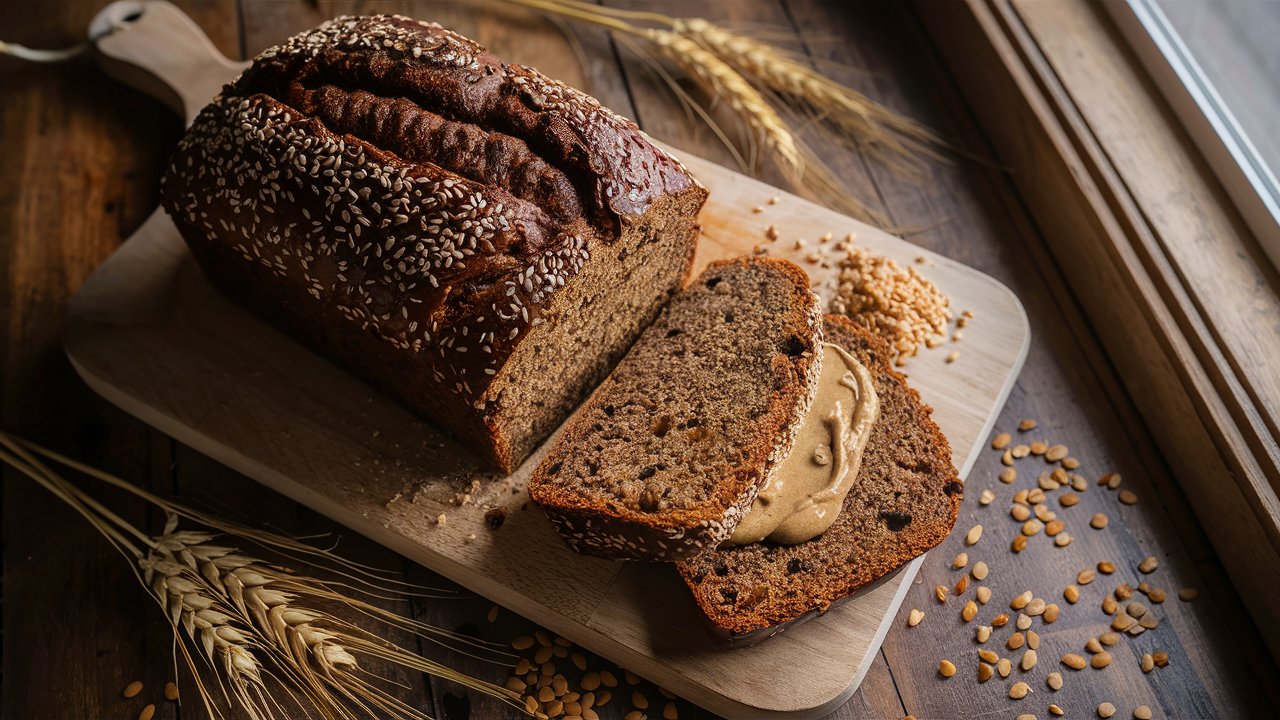
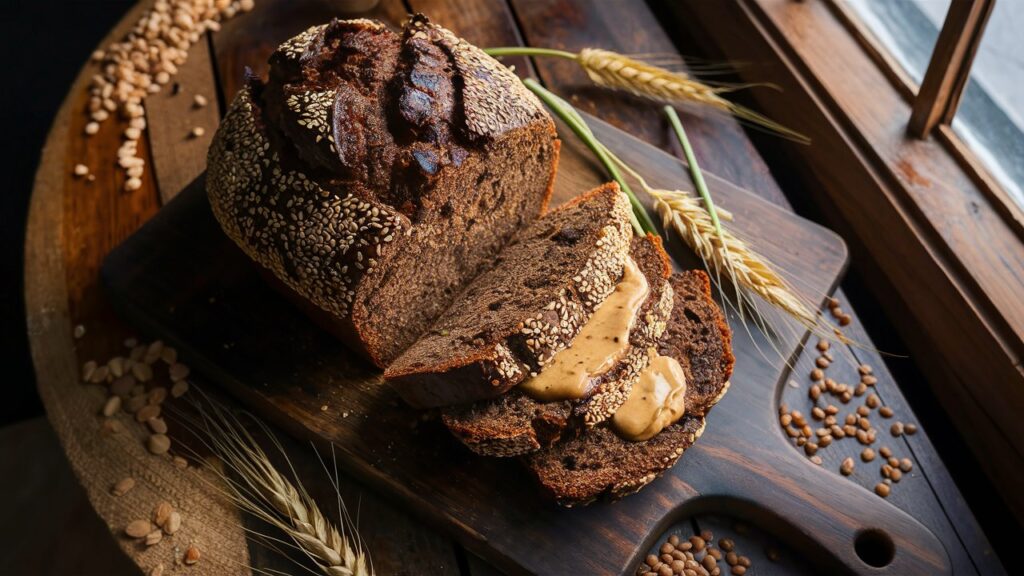
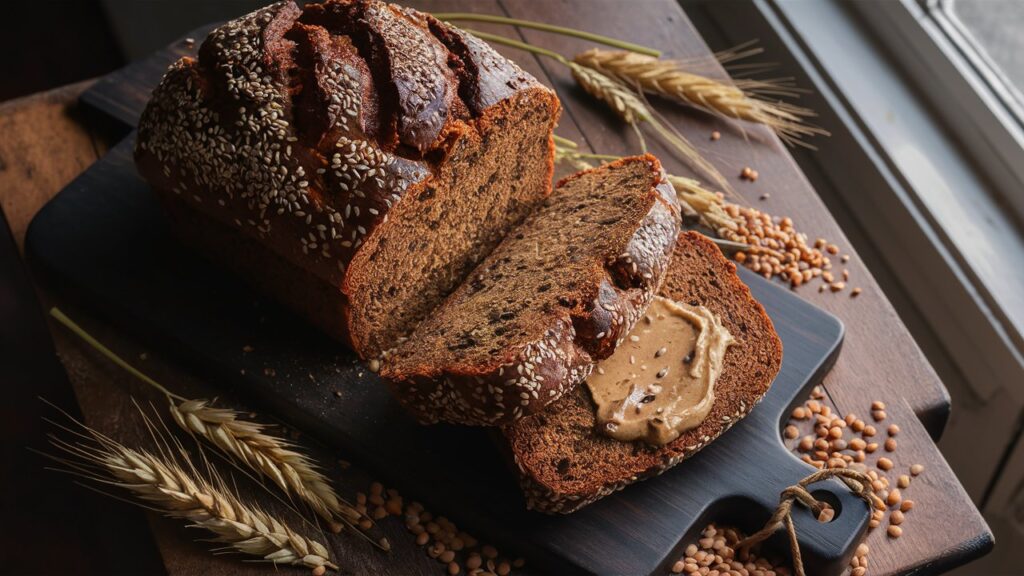
Sesame Ezekiel bread recipe: Press sesame seeds into the top of the loaf before baking for a nutty, aromatic crust that pairs beautifully with the dense, earthy crumb of this Ezekiel bread recipe.
Cinnamon raisin Ezekiel bread recipe: Add 1 teaspoon of cinnamon and 100g of raisins to the dough for a slightly sweet variation of this Ezekiel bread recipe that’s exceptional toasted with almond butter.
Olive and herb Ezekiel bread recipe: Fold chopped olives, rosemary, and thyme into the dough for a savory Mediterranean variation of this Ezekiel bread recipe that’s magnificent alongside soups and salads.
Sunflower seed Ezekiel bread recipe: Fold 80g of toasted sunflower seeds into the dough for extra protein, healthy fats, and a pleasant crunch in every slice of this Ezekiel bread recipe.
Flaxseed Ezekiel bread recipe: Add 3 tablespoons of whole or ground flaxseed to the dough for extra omega-3 fatty acids and additional fiber in this Ezekiel bread recipe.
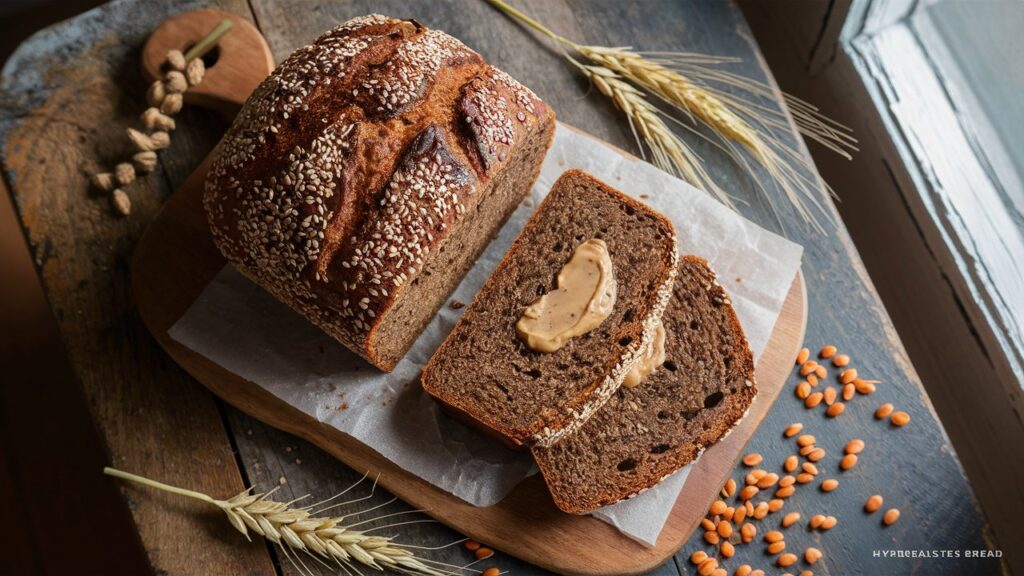
Serving this Ezekiel bread recipe: The dense, moist crumb of this Ezekiel bread recipe is best showcased in simple preparations — toasted with avocado and sea salt, spread with almond butter and sliced banana, or used as the base for an open-faced sandwich with quality ingredients.
Toasting: This Ezekiel bread recipe is at its absolute best toasted. The toasting process crisps the exterior beautifully and deepens the nutty, grain flavors. Always toast slices of this Ezekiel bread recipe before serving.
Room temperature storage: Store this Ezekiel bread recipe wrapped in a clean kitchen towel at room temperature for up to 3 days. The absence of preservatives means this Ezekiel bread recipe doesn’t last as long as commercial bread.
Refrigerator: This Ezekiel bread recipe keeps in the refrigerator for up to 1 week. The cold temperature slows mold growth and preserves freshness. Always toast before eating refrigerated slices of this Ezekiel bread recipe.
Freezer: This Ezekiel bread recipe freezes exceptionally well. Slice the entire loaf before freezing and store in a freezer bag. Individual slices of this Ezekiel bread recipe can be toasted directly from frozen — no thawing required.
The health benefits of this Ezekiel bread recipe are extensive and well-documented:
Complete protein source. The combination of grains and legumes in this Ezekiel bread recipe provides all nine essential amino acids — making it one of the very few plant-based complete protein sources in bread form.
Lower glycemic index. The sprouting process and high fiber content of this Ezekiel bread recipe produce a slower, more sustained blood sugar response compared to refined flour bread. This makes Ezekiel bread recipe particularly beneficial for blood sugar management.
Superior mineral absorption. The reduction of phytic acid during sprouting in this Ezekiel bread recipe dramatically increases the bioavailability of zinc, iron, magnesium, and calcium — minerals that are present in whole grains but often poorly absorbed when phytic acid is present.
Rich in B vitamins. The sprouted grains in this Ezekiel bread recipe are excellent sources of B vitamins — particularly folate, thiamine, and niacin — that support energy metabolism and nervous system function.
High in fiber. Each slice of this Ezekiel bread recipe provides significantly more dietary fiber than refined flour bread, supporting digestive health, cholesterol management, and sustained satiety.
How long does sprouting take for this Ezekiel bread recipe? Sprouting typically takes 2–3 days for the grains and legumes in this Ezekiel bread recipe. The exact time depends on temperature — warmer environments sprout faster. Look for 2–3mm sprout tails as your visual cue for perfect sprouting.
Can I use store-bought sprouted grain flour for this Ezekiel bread recipe? Yes — sprouted grain flour is increasingly available in health food stores and online. Using pre-sprouted flour significantly reduces the preparation time of this Ezekiel bread recipe while preserving most of the nutritional benefits.
Is this Ezekiel bread recipe gluten-free? No — this Ezekiel bread recipe contains wheat, barley, and spelt, all of which contain gluten. It is not suitable for people with celiac disease or severe gluten intolerance.
Why is my Ezekiel bread recipe dense? Density is normal and expected in this Ezekiel bread recipe — it’s fundamentally different from light, airy refined flour bread. The dense crumb is a feature, not a flaw, of a well-made Ezekiel bread recipe.
Can I make this Ezekiel bread recipe without yeast? Yes — a sourdough starter can be substituted for commercial yeast in this Ezekiel bread recipe. The naturally fermented version adds additional digestibility and a pleasantly tangy flavor to the finished Ezekiel bread recipe.
This Ezekiel bread recipe is proof that ancient wisdom and modern nutritional science can point in exactly the same direction. A 2,600-year-old biblical formula — wheat, barley, beans, lentils, millet, and spelt — turns out to be one of the most nutritionally complete and health-supporting bread formulas ever devised.
Make this Ezekiel bread recipe once and experience the difference that sprouted grains make — the deeper flavor, the denser, more satisfying crumb, and the knowledge that every slice of this Ezekiel bread recipe is genuinely nourishing your body in ways that refined flour bread simply cannot.
This Ezekiel bread recipe is more than a loaf of bread. It’s a connection to one of humanity’s oldest food traditions — and one of the most nutritionally intelligent things you can bake in your kitchen.